FCC Scrutiny of ABC Over Kimmel Remarks Unlikely to Yield Swift Action, Analysts Say
The Federal Communications Commission has ordered an early review of ABC’s broadcast licences following a controversy over late-night host Jimmy Kimmel, but regulatory experts and industry insiders warn that meaningful action is far more likely to be measured in years than weeks — if it materialises at all.
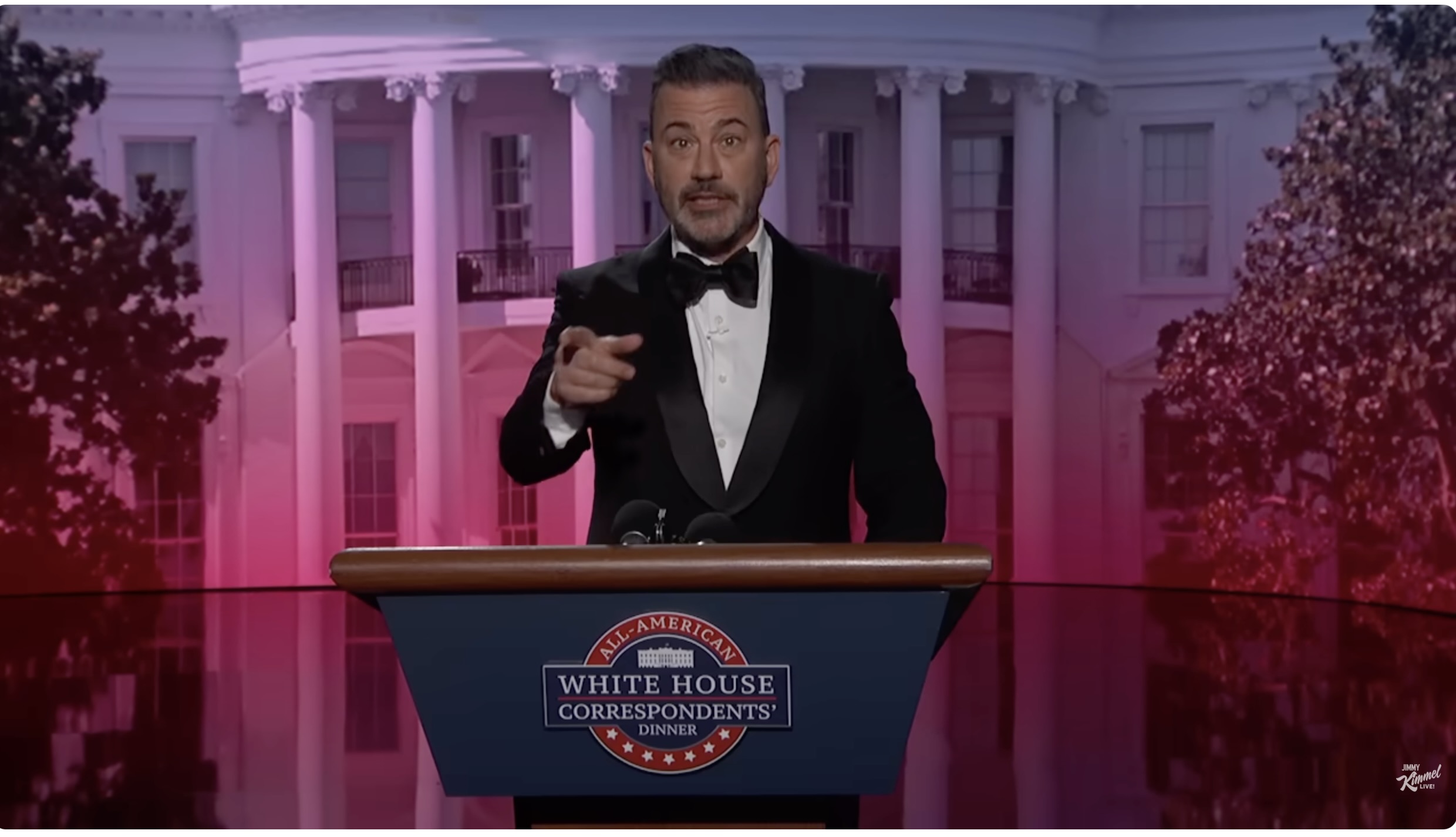
FCC Chairman Brendan Carr triggered the review after Kimmel’s Friday monologue included a joke describing Melania Trump as having the “glow like an expectant widow.” President Trump, the First Lady, and a number of conservative politicians have argued the remark contributed to the climate surrounding Saturday’s shooting at the White House Correspondents’ Dinner, and have called for Kimmel’s dismissal. Kimmel has denied the line constituted any form of incitement.
The Regulatory Reality
ABC’s eight owned-and-operated television stations face licence renewals between 2028 and 2031. Carr has instructed Disney and ABC to complete renewal applications by 28 May. Disney responded with a statement expressing confidence that renewals would be granted — a measured reply that reflects the company’s broader strategic posture.
Experts in broadcast regulation are sceptical that the review will translate into punitive action. Despite sustained pressure from the FCC chairman on multiple fronts — including a high-profile investigation into CBS News over 60 Minutes — Carr has yet to take formal enforcement action on any of the complaints he has publicly raised. Licence-renewal proceedings, even when expedited, routinely extend across several years. The last comparable early-review order was issued against a Mississippi radio station in 1972, and that process, in a far less litigious era, still took years to resolve.
Legal analysts add that any regulatory action against ABC over Kimmel’s remarks would face a formidable First Amendment challenge in the D.C. Circuit federal court, significantly raising the political and legal cost of intervention.
Disney Adopts a Steadier Hand
Behind the scenes, Disney appears to have drawn lessons from its handling of a similar episode last autumn, when Kimmel made an on-air quip about conservative activist Charlie Kirk. On that occasion, major station groups Nexstar and Sinclair pulled Jimmy Kimmel Live! from their schedules, and ABC suspended the programme — a move widely regarded inside the company as an overreaction. Disney’s announcement that the suspension was “indefinite” prompted unnecessary speculation about the show’s long-term future.
Under its new leadership structure — Dana Walden as president and chief creative officer, with Josh D’Amaro having succeeded Bob Iger as chief executive — Disney’s approach this time is one of deliberate restraint. No emergency meetings have been convened with Kimmel or his production team. The company is maintaining its distance from the day-to-day editorial process.
Kimmel himself has previously acknowledged the value of closer communication with Walden during periods of controversy. Speaking at a Bloomberg conference last October, he noted: “I don’t think the result would have been as positive if I hadn’t talked to Dana as much as I did, because it helped me think everything through.”
Nexstar Weighs Its Exposure
Nexstar, the largest owner of local television stations in the United States, finds itself navigating a particularly delicate position. The company’s executives have broadly welcomed the Trump administration’s more permissive stance on media mergers, but a federal judge has frozen Nexstar’s $6.2 billion proposed merger with rival Tegna, leaving the deal dependent on a successful appeal.
With that transaction in the balance, Nexstar has little appetite for becoming a focal point in the Kimmel dispute. Company insiders indicate the strategy is to avoid unnecessary exposure on an issue where even some conservatives have privately cautioned against what they see as regulatory overreach.
Political Pressure Versus Procedural Reality
The episode illustrates a recurring tension in the Trump era: the velocity of political outrage on social media sits in sharp contrast to the slow, procedurally constrained machinery of broadcast regulation. For all the calls to strip ABC of its licences or impose swift penalties, the FCC’s own track record suggests the gap between rhetoric and regulatory action remains wide.
The National Association of Broadcasters, the principal trade body for the industry, has already criticised Carr’s early-review request as “nearly unprecedented,” a signal that the broader industry regards the move as an outlier rather than the beginning of a new enforcement norm.