
Chicago Fed Chief Goolsbee Warns AI Productivity Boom Could Overheat Economy
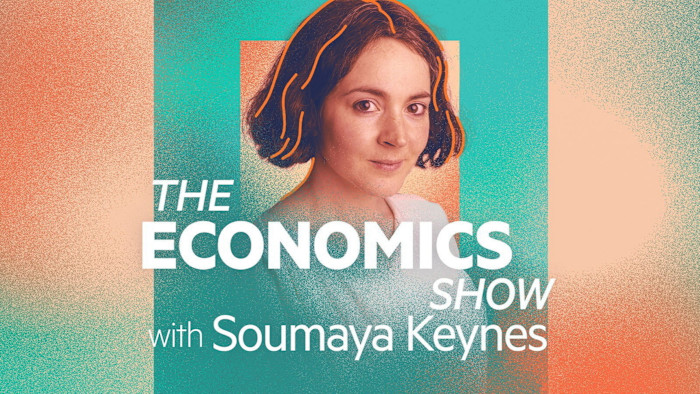
Austan Goolsbee, President and CEO of the Federal Reserve Bank of Chicago, has warned that artificial intelligence could complicate the Federal Reserve’s inflation-fighting mandate — not by failing to boost productivity, but potentially by succeeding too conspicuously. Goolsbee set out his thinking in a wide-ranging interview with FT journalist Soumaya Keynes.
Timing Is Everything
At the heart of Goolsbee’s argument lies a crucial distinction: whether AI-driven productivity gains arrive as a genuine surprise or are already priced into market expectations. The sequencing, he suggests, matters enormously for monetary policy.
If businesses and consumers anticipate large productivity gains before those gains materialise, they may pull forward spending — borrowing and investing today against tomorrow’s expected prosperity. The result could be demand-side overheating, forcing the Fed to respond with higher interest rates even as the underlying technological transformation remains incomplete.
The Stagflation Risk
Goolsbee also identified a more troubling scenario. Should AI fail to deliver on the sweeping productivity promises that markets have already priced in, the consequences could be severe. Elevated expectations that go unmet would leave businesses and households over-extended, potentially producing a combination of sluggish growth and persistent inflation — the conditions economists define as stagflation.
This dual risk — overheating if AI delivers early, stagflation if it disappoints — places the Fed in a delicate position, required to make policy decisions today based on productivity outcomes that remain deeply uncertain.
The Greenspan Parallel
To illustrate the dilemma, Goolsbee reached for a historical analogy: the 1990s technology boom and the Fed’s response under Alan Greenspan. Between 1999 and 2000, Greenspan’s Fed raised interest rates multiple times to manage demand that had been pulled forward by widespread expectations of a productivity revolution driven by the internet.
The parallel is instructive but imperfect. The internet did ultimately deliver transformative productivity gains, though their macroeconomic effects took years to fully materialise. Whether AI follows a similar trajectory — or a faster, slower, or altogether different one — remains the central unknown confronting policymakers.
Implications for Monetary Policy
Goolsbee’s intervention reflects a broader debate among central bankers about how to incorporate structural technological change into near-term monetary policy frameworks. The Fed’s mandate — price stability and maximum employment — was not designed with AI-driven supply-side shocks in mind.
For policymakers and investors, the practical implications are considerable:
Goolsbee’s remarks suggest the Fed is actively stress-testing its frameworks against these scenarios, even if no consensus view has yet emerged on which outcome is most probable.
Note on Sources
This article is based on publicly available reporting related to Goolsbee’s stated views. The full transcript of his conversation with Soumaya Keynes was published by the Financial Times and is available to subscribers at FT.com.