
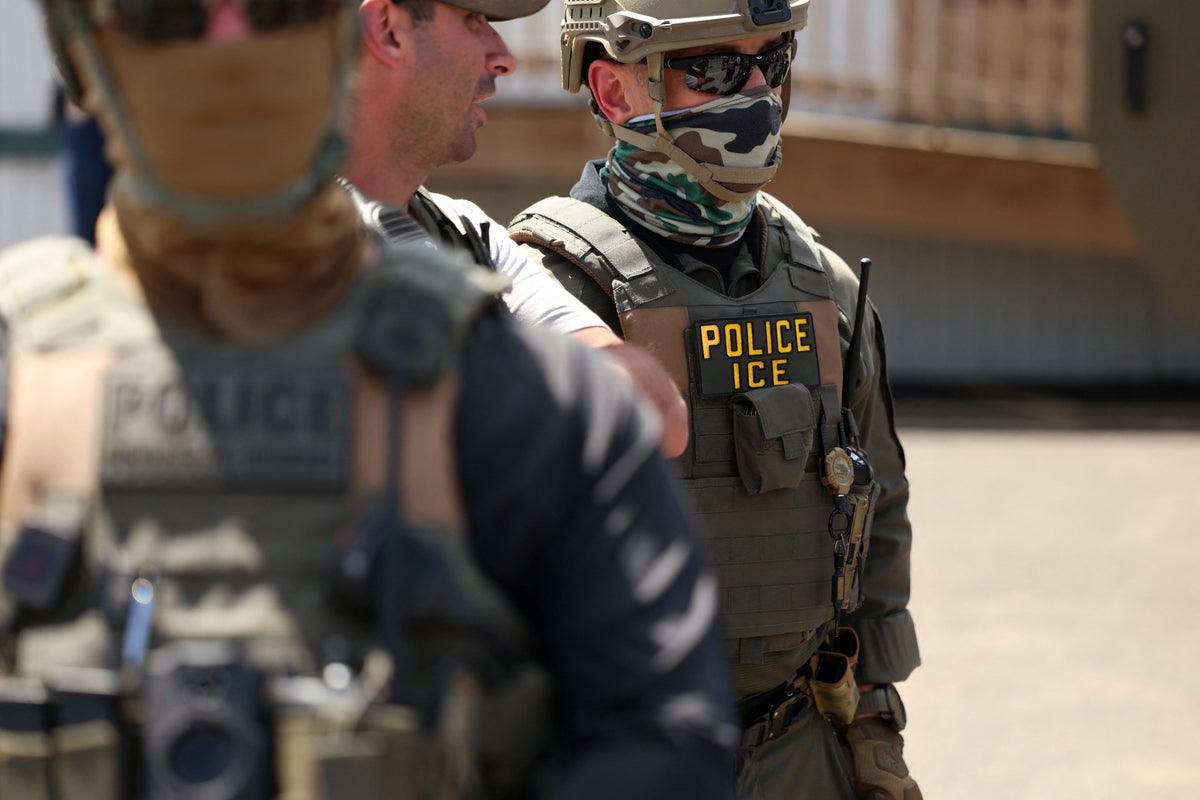
Within the span of a single week, two men were shot dead by Immigration and Customs Enforcement agents — one in Houston, Texas, the other in Biddeford, Maine — neither encounter captured on camera. The absence of footage left investigators, families, and the public with competing accounts and no means of independent verification. It was, by any measure, an untenable situation.
The response from the White House came swiftly. Tom Homan, the administration’s border czar, announced that ICE agents will henceforth be required to record traffic stops using at least one body camera. The mandate formalises a policy that, in the view of many law enforcement professionals, should have been standard practice long before any shots were fired. Homan himself has long been a proponent of the technology, arguing that body cameras “exonerate more law enforcement than they convict” and provide the public with a transparent record of officers’ conduct — a position that is difficult to dispute on the evidence.
ICE confirmed that more than half of its field offices are already equipped with body cameras, with the remainder scheduled to receive them within sixty days. The pace of the rollout, Homan suggested, had been hampered by government shutdowns under previous Democratic administrations — a claim that will inevitably be contested, though the underlying bureaucratic friction it implies is hardly implausible given the scale of federal procurement processes.
The two fatal incidents have, predictably, intensified scrutiny of ICE’s operational conduct at a moment when the agency is already operating under an unusually high political temperature. Critics — including civil liberties groups and a number of Democratic legislators — have argued that body cameras are not merely desirable but essential, particularly given what they characterise as a pattern of misleading official statements concerning the use of lethal force. The administration, for its part, briefly paused vehicle interdiction operations in the immediate aftermath of the shootings before President Donald Trump ordered their resumption, describing such stops as “effective Crime Fighting tools.”
The broader principle at stake is not a complicated one. Body cameras impose accountability on agents and protect them from false accusation in equal measure; the empirical record from police forces across the United Kingdom and the United States supports both claims. That ICE lagged behind municipal police departments in adopting the technology is a genuine institutional failure, whatever its proximate causes. The new mandate will not resolve the political controversy surrounding immigration enforcement, nor will it answer the specific questions arising from the Houston and Biddeford deaths. What it can do, going forward, is ensure that the facts of any given encounter are on record — and that is, at minimum, a foundation worth building on.