
Trump Administration Appoints Pardoned January 6 Rioter to Sensitive Pentagon Role
The Trump administration has appointed Elias Irizarry, a convicted participant in the January 6, 2021 Capitol riot, to a position within the Pentagon’s Office of Special Operations and Low Intensity Conflict — a unit responsible for some of the United States military’s most sensitive missions, including counterterrorism operations and hostage rescues.
The Appointment and Its Background
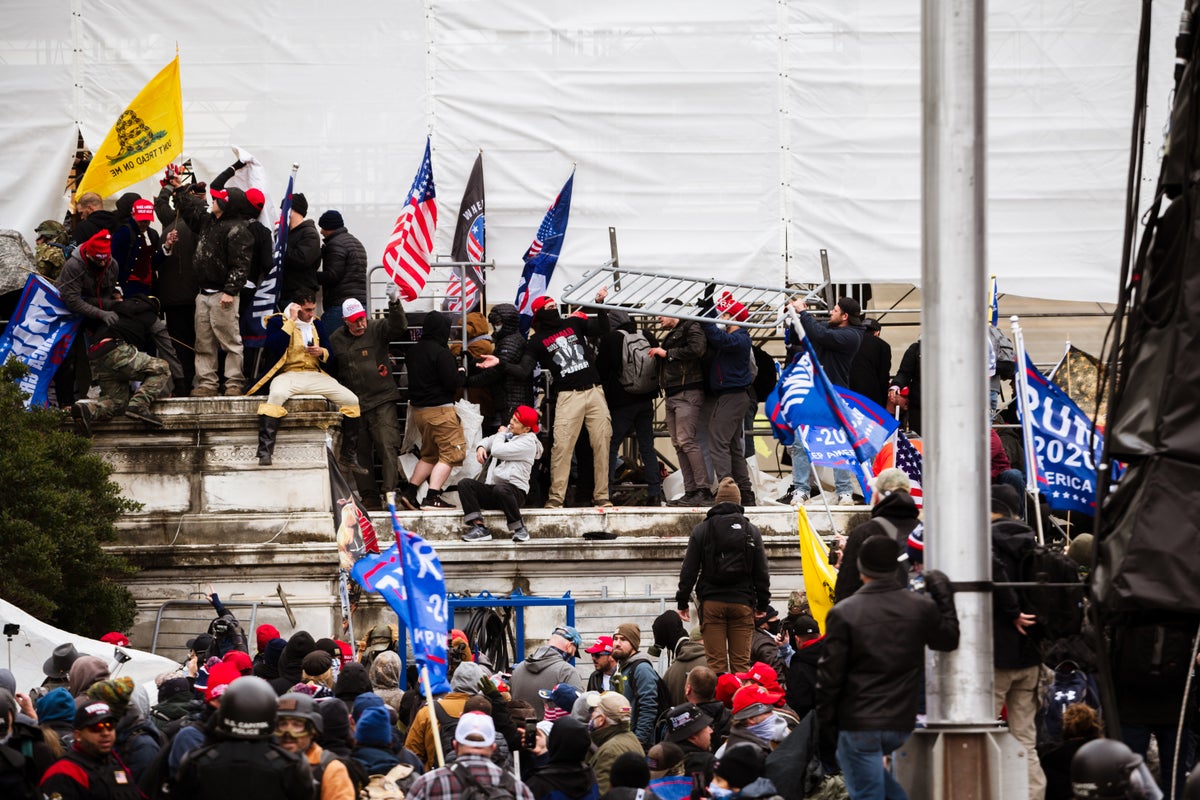
Irizarry previously pleaded guilty to a misdemeanour charge of unlawful entry following the Capitol breach, during which he was accused of entering the building through a broken window while carrying a metal pole. He was subsequently pardoned by President Donald Trump, along with hundreds of other January 6 defendants.
The appointment has drawn concern from insiders familiar with the office, who have pointed to the sensitivity of the role and the security implications of placing an individual with Irizarry’s recent criminal history in such a position.
Pentagon Defends the Hire
The Department of Defense moved to defend the decision, describing Irizarry as a “qualified, patriotic young professional.” A Department of Justice official echoed that characterisation, vouching for his character and loyalty.
Irizarry had initially apologised for his conduct on January 6. However, during a subsequent and unsuccessful political campaign, he chose to highlight his participation in the riot as a conservative credential — a reversal that critics say raises further questions about the judgement behind the appointment.
Broader Implications
The decision reflects a wider pattern within the current administration of rehabilitating individuals convicted in connection with the Capitol riot, treating presidential pardons as sufficient clearance for roles that would ordinarily demand rigorous vetting.
For an office that coordinates some of America’s most operationally sensitive defence activities, the appointment is likely to invite sustained scrutiny from both oversight bodies and security professionals.