What has Google actually announced?
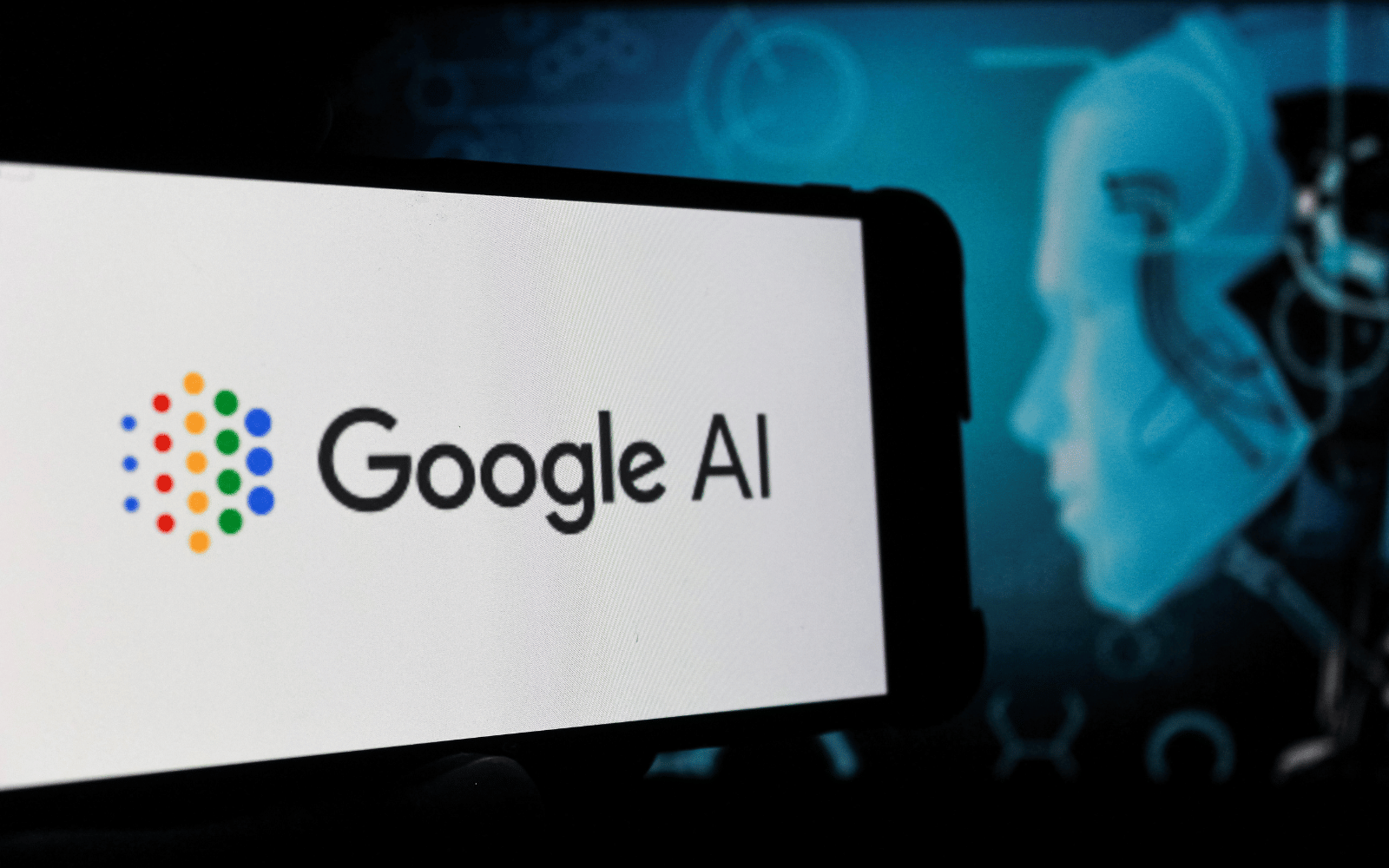
Google is adding a new disclosure mechanism to its advertising platform. Called “How this ad was made”, the feature will appear in the My Ad Center panel across Google Search, YouTube, and Discover. It was announced on 9 July 2026 by Keerat Sharma, Google’s VP and General Manager of Ads Privacy and Safety.
The panel will indicate whether an advertisement was created or modified using artificial intelligence. Critically, it only appears on ads that actually contain AI-edited or AI-created assets — it will not surface on conventionally produced creative. Users can access it globally by clicking the three-dot menu or the info icon on any qualifying ad, without needing to be signed into a Google account.
How does the labelling actually work?
The mechanism differs depending on which AI tools an advertiser used.
Depending on local regulations, a visible AI label may also appear directly on the face of the ad itself — either automatically or when the advertiser activates the new disclosure control. Markets including the European Union, India, and New York already impose disclosure requirements around AI-generated advertising content.
What are the limits of this system?
The system has a significant constraint. Google has confirmed it will not independently verify whether third-party AI was used to produce an ad. For externally generated content, the label depends entirely on the advertiser volunteering that information honestly.
This stands in notable contrast to the approach taken by Meta and TikTok. Both platforms already auto-detect C2PA metadata — a technical provenance standard embedded by many AI generation tools — and can apply labels without relying on advertiser self-declaration. Google’s system, for third-party content, has no equivalent automatic check.
The practical consequence is straightforward: enforcement will be uneven. Google can apply labels reliably to ads generated by its own systems. For everything else, the integrity of the disclosure rests on advertiser compliance and the availability of metadata provenance information — neither of which is guaranteed.
Where does this fit within Google’s broader transparency framework?
The announcement extends, rather than replaces, existing Google policy. Several elements are already in place.
The new policy is a meaningful extension: where disclosure requirements previously applied only to political advertising in specific markets, they now cover all ads across the platform. The update adds transparency about production method but does not alter the pre-existing requirement that advertisers clearly identify who they are and what they are promoting.
What is driving the timing?
Regulatory pressure is sharpening. The EU AI Act’s transparency obligations for AI-generated content are set to take effect in August, and Google’s new tooling positions advertisers to meet those requirements before the deadline arrives. Industry groups have been lobbying to exempt AI-produced advertisements from the EU rules — a campaign that has so far not succeeded.
The commercial context matters too. Generative AI has moved rapidly from novelty to standard workflow in advertising. Google now provides AI tools for generating text, image, and video assets, and incorporates Gemini models across its ad platform. Brands of all sizes are using these capabilities to produce marketing material faster and at lower cost. As AI-generated creative becomes ubiquitous, the question of how platforms govern its disclosure becomes correspondingly more consequential — for regulators, for consumers, and for the advertisers navigating an increasingly complex compliance landscape.
What should policymakers and advertisers take away?
Several points warrant attention.