
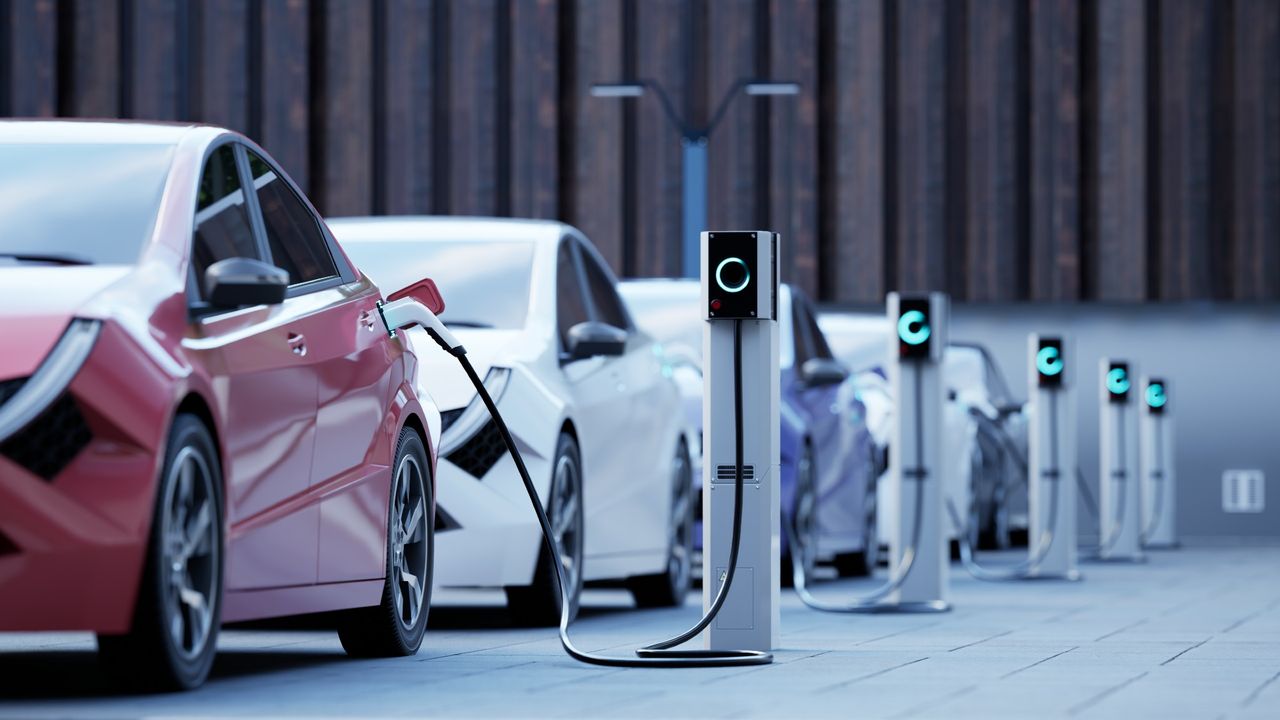
EVs Promise Fuel Savings, But the Full Financial Picture Is More Complex
As petrol prices climb and electric vehicles grow more prevalent on British and American roads, many drivers are weighing whether switching to an EV genuinely pays off. The answer, according to multiple analyses, depends heavily on charging habits, location, and a range of ownership costs that extend well beyond the fuel pump.
The Savings Case for Electric Vehicles
A 2025 analysis published by The New York Times found that the average driver saves $8 per 100 miles by driving an electric vehicle rather than a petrol-powered car. However, that figure applies only to drivers who install a home charger.
Public charging infrastructure tells a different story. According to Consumer Reports, some public chargers “cost more per mile than petrol,” eroding the financial case for EV ownership for those without home-charging access. Kelley Blue Book notes, however, that in every US state, home charging remains cheaper than petrol.
Geographic variation adds further complexity. Both petrol and electricity prices fluctuate significantly by region — shaped by state taxes, refinery proximity, and local grid costs. The financial advantage of an EV can therefore widen or narrow considerably depending on where a driver lives, and may shift over time as electricity rates rise.
Beyond Fuel: The Full Cost of EV Ownership
Fuel costs are merely one variable in a broader ownership equation. Prospective EV buyers should weigh the following factors carefully before making the switch.
The Bottom Line
Electric vehicles can deliver meaningful fuel savings, particularly for drivers who charge at home and live in regions with low electricity costs. But the higher purchase price, elevated insurance premiums, faster depreciation, and current reliability concerns mean the financial case is far from straightforward.
For policymakers and consumers alike, the decision demands a rigorous, whole-life cost analysis rather than a focus on fuel savings alone.