
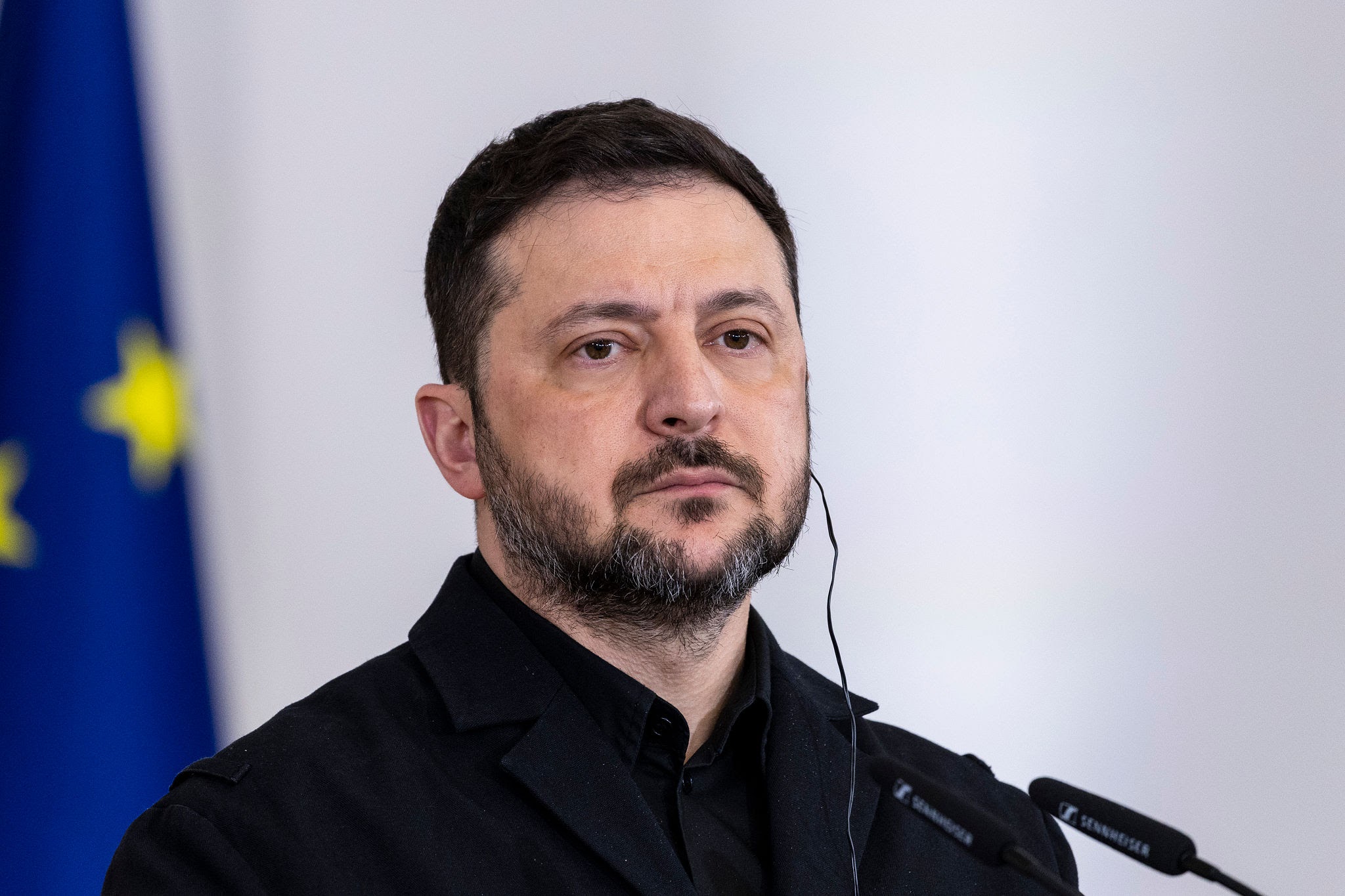
Three years into a conflict that has reshaped European security, the war in Ukraine appears to have settled into a grim and costly equilibrium. A senior American official, briefing reporters in Washington on condition of anonymity, put the matter plainly this week: “The battlefield has clearly frozen over the last couple of months and neither side is making a lot of progress.” It is against this backdrop that Donald Trump is preparing to meet Volodymyr Zelenskyy on the margins of the NATO summit in Turkey, with the express purpose of pressing for a negotiated end to hostilities.
The diplomatic choreography has been unusually active for a conflict that Washington has at times seemed content to manage from a distance. Trump spoke at length with Vladimir Putin by telephone on Sunday, during which, according to a Kremlin aide, the American president offered to assist in brokering a solution. Zelenskyy confirmed that he too had spoken with Trump — describing the conversation as “very good” — with discussions apparently covering the full extent of the 1,200-kilometre frontline. The senior US official was unambiguous about the White House’s posture: “The president feels a real sense of urgency to try to bring this to a stop.”
Trump’s attendance at the NATO summit will also serve a second, familiar purpose. He is expected to press allied governments, in person, to honour and exceed their defence spending commitments — a message he has delivered repeatedly, and which carries renewed weight given the security environment on the continent’s eastern flank. The combination of ceasefire diplomacy and burden-sharing pressure reflects a distinctly transactional approach to alliance management, but one that has, in practice, produced measurable increases in European defence budgets.
Meanwhile, the war’s human cost continued to accumulate with brutal regularity. Kyiv came under Russian missile attack in the early hours of Monday, with a residential building struck in the city’s historic Podil district. Mayor Vitali Klitschko reported that residents were trapped on the seventh to ninth floors, while drone debris fell across other parts of the capital. The strike followed Zelenskyy’s warning on Sunday that Ukrainian intelligence had identified preparations for a major new Russian offensive — this, just days after an attack on Kyiv that killed at least 27 people and injured dozens more, which Klitschko described as the worst the city had endured throughout the entire conflict.
The situation in occupied Crimea added a further dimension to the week’s violence. Sevastopol, the peninsula’s principal city, was left without electricity following a Ukrainian strike on energy infrastructure, according to Mikhail Razvozhayev, the Moscow-appointed governor. Separate Ukrainian attacks on northern Crimea killed one person and injured two others, one seriously, according to regional officials installed by Moscow.
Competing claims over the strategic eastern town of Kostyantynivka illustrated, with some clarity, the information fog that now surrounds the conflict. The Kremlin announced it had captured the town; Zelenskyy flatly disputed this in his nightly address, observing with characteristic acidity that Putin had claimed the town as his own but would never dare to appear there in person. Russia’s defence ministry then added a further layer of contention, alleging that Ukraine had refused to pause its shelling of Kostyantynivka to permit the handover of fallen Ukrainian soldiers’ remains — a claim Kyiv’s defence ministry and military command had not addressed at the time of writing.
What emerges from the week’s events is a conflict in which the military lines have hardened even as the diplomatic ones have, tentatively, begun to move. Whether the Trump-Zelenskyy meeting in Turkey produces anything more durable than a communiqué remains to be seen. The structural obstacles to any settlement — territorial integrity, security guarantees, the question of sanctions relief for Moscow — are formidable, and neither side has yet demonstrated the political flexibility that a negotiated outcome would require. The frozen battlefield, for now, is both the problem and the only leverage either party possesses.