
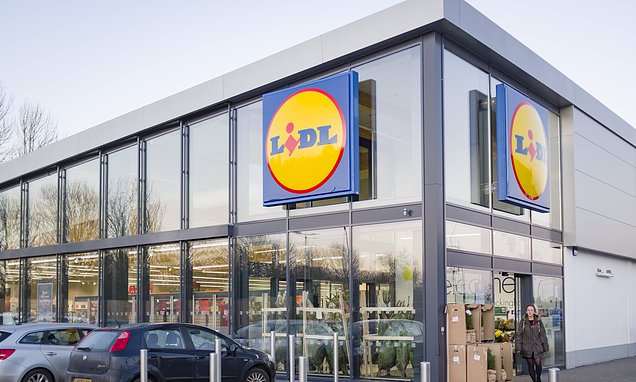
Lidl warns planning delays are hampering its UK growth ambitions
Lidl’s UK chief real estate officer has warned that Britain’s planning system is “stuck in the slow lane”, as the German discount grocer published a list of more than 1,000 target locations for new store openings — including affluent areas traditionally dominated by Waitrose and Marks & Spencer.
Richard Taylor said a “lack of consistency” across local planning authorities has repeatedly delayed store openings, calling on planning officers to have “the resources and expertise to process applications efficiently.”
Expansion targets fall short of original ambitions
In 2021, Lidl set itself a target of reaching 1,100 UK stores by the end of 2024, up from 880 at the time. Despite opening hundreds of new sites, the retailer currently operates around 1,010 shops — leaving it roughly 90 short of its stated goal.
The grocer opened approximately 40 stores in 2025 and plans to add a further 50 before the year is out. Taylor was unequivocal: “Our ambition is limitless, but to keep investing, we need a planning system that encourages quality development rather than frustrating it.”
Target locations span affluent and urban markets alike
Lidl’s latest wish list spans a broad range of locations, reflecting its strategy of competing directly with premium rivals. Target areas include:
Jonathan De Mello, founder of retail consultancy JDM Retail, said the wish list confirms that the “middle-class migration” to discount supermarkets is “no longer a temporary trend.” He added that Lidl’s willingness to compete directly with Waitrose and M&S “shows they are no longer content with being an alternative — they want to be the primary destination.”
Market share rising but planning friction persists
Lidl now holds 8.3 per cent of the UK grocery market, according to the most recent data from Worldpanel by Numerator, up from 7.8 per cent at the same point last year. The figures underscore the retailer’s continued momentum at the expense of the traditional Big Four supermarkets.
Taylor said Lidl was “yet to see the benefit” of the Labour government’s £48 million pledge to boost planning capacity, which includes hiring hundreds of additional planning officers across England. The admission raises questions about whether the investment is being deployed quickly enough to translate into faster decision-making on the ground.
The episode illustrates a broader tension in British economic policy: stated commitments to growth and housebuilding sit uneasily alongside a planning apparatus that continues to frustrate private capital seeking to invest in high streets and communities across the country.