
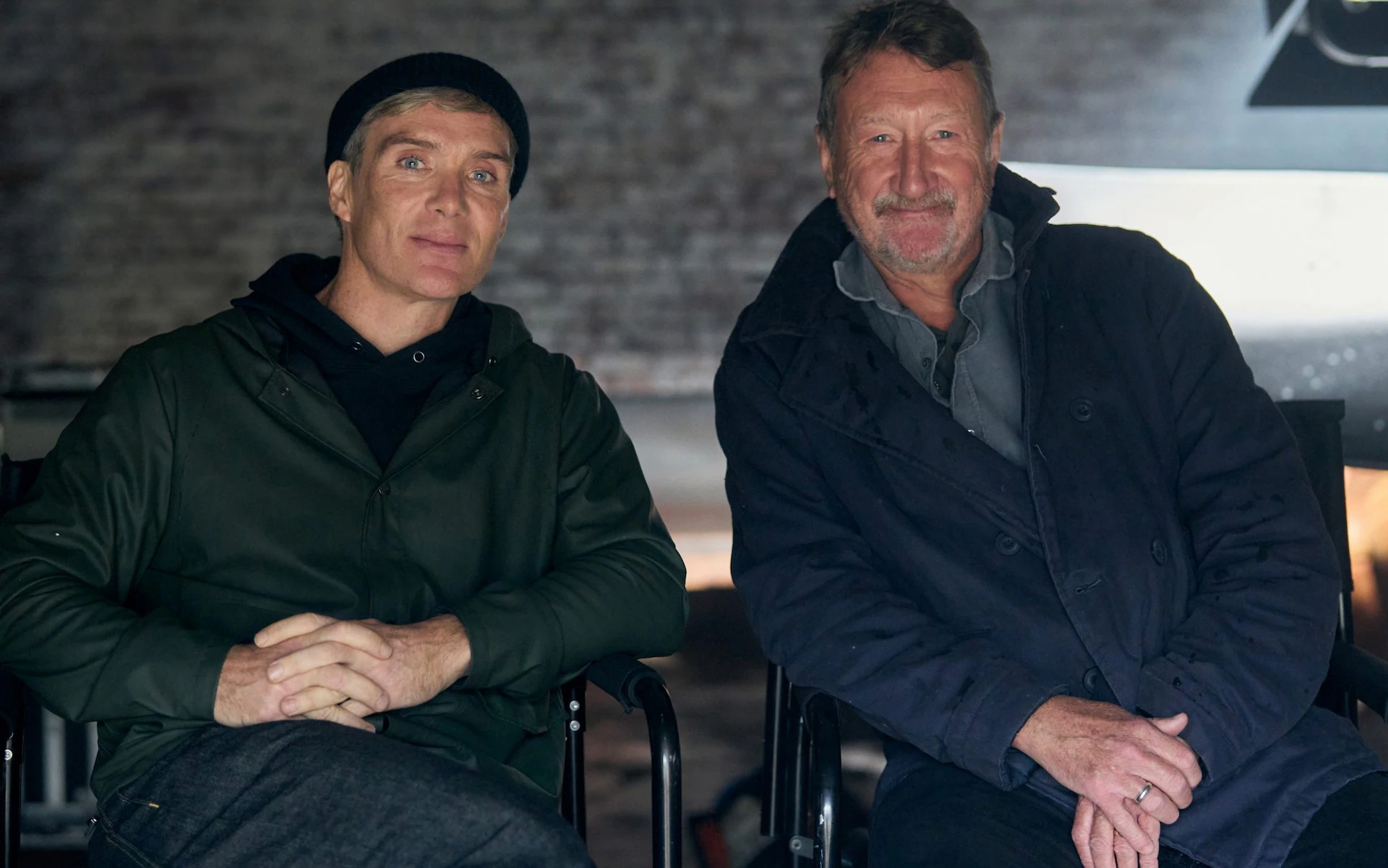
Steven Knight has a clear picture of Birmingham City’s future. The Peaky Blinders creator says he can already imagine Jude Bellingham scoring a hat-trick in the shadow of the club’s planned new stadium, a 62,000-seat venue designed as the centerpiece of Birmingham’s Sports Quarter. The image is part football fantasy, part statement of intent. For Knight, it also captures how closely the club’s future now sits alongside the city’s identity. Birmingham City unveiled the stadium plans in November 2025, with Bellingham appearing in the launch film. The project is due to open for the 2030-31 season.
Knight says he wants Bellingham to return to his boyhood club one day. The midfielder, who was born on June 29, 2003 and now plays for Real Madrid, will turn 23 this summer. Knight’s timeline is simple: give him five more years, then bring him home. It is an ambitious idea. However, it also reflects the emotional hold Bellingham still has on Birmingham supporters after his rise from academy player to global star.
A stadium dream built around the city
Knight’s vision for Birmingham is bigger than nostalgia. The proposed stadium is designed to become a civic landmark as much as a football ground. It will feature 12 chimney-like towers, a nod to Birmingham’s industrial past, and forms the heart of a wider redevelopment plan in East Birmingham. The club has said the venue is being built to host football, other sports, concerts and entertainment events. That scale helps explain why Knight speaks about the ground less as a replacement for St Andrew’s and more as a symbol of ambition.
Bellingham’s role in the launch mattered for the same reason. His appearance linked Birmingham City’s past, present and future in a single moment. The club used one of its most successful academy graduates to introduce a project meant to transform its image. Knight, who helped shape the design, clearly hopes that symbolism can become something more concrete in time.
Why Jude Bellingham Birmingham still resonates
Knight admits he did not instantly grasp how exceptional Bellingham was when he first broke into Birmingham’s first team. Others spotted it earlier. Yet he now speaks about the midfielder with the same admiration he once reserved for Trevor Francis, another local hero who emerged young and electrified Blues supporters.
That comparison reveals something important about Birmingham City’s modern story. Bellingham was not only a gifted teenager. He also became proof that the club could still produce elite talent. His transfer brought major value to Birmingham, and his progress since then has only strengthened the connection. For Knight, a future return would not simply be romantic. It would close a circle that began in the academy and expanded onto the biggest stage in European football.
Peaky Blinders and Birmingham City come from the same place
Knight presents his support for Birmingham City as something inherited rather than chosen. He describes a family steeped in Blues loyalty, with stories that run from wartime postcards to matchday rituals and childhood memories of players such as Trevor Francis. In his account, football fandom and local history are inseparable.
That same link fed Peaky Blinders. Knight has often explained that the stories he heard growing up in Small Heath shaped his interest in Birmingham’s underworld and working-class life. The pubs, voices and family connections around the football club also informed the atmosphere that later defined his drama. For him, Birmingham City is not just the team he supports. It is part of the material that formed his creative world.
More than a publicity line
Knight’s comments arrive as he promotes Peaky Blinders: The Immortal Man, the film continuation of the television series, which begins streaming on Netflix on March 20, 2026. That timing gives his remarks extra visibility. Still, his long involvement with Birmingham City makes the appeal sound more than promotional. He has remained closely connected to the club’s ownership project and to the broader attempt to reposition Birmingham as a destination club with national and international reach.
Whether Bellingham ever returns is another matter. Much will depend on Birmingham’s progress on the pitch and on whether the club can grow into the scale of its new stadium plans. Knight admits as much. A 62,000-seat ground only works if results, atmosphere and wider matchday appeal all rise together. Yet that is precisely why the idea of Bellingham’s return carries such force. It stands for the version of Birmingham City that the club now wants to build: bigger, louder and finally able to match its ambition with its stage