
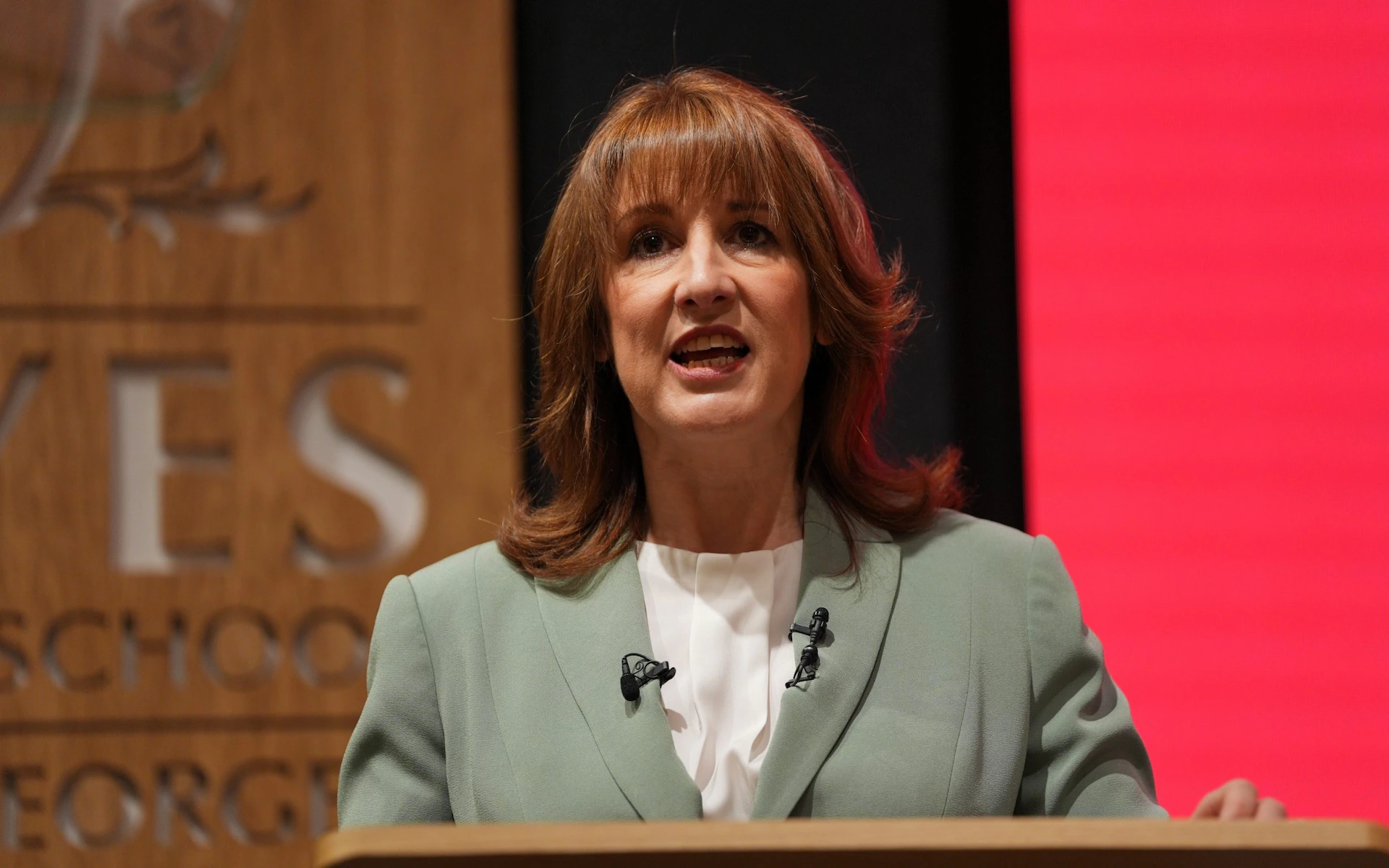
Rachel Reeves has warned that the conflict involving Iran is likely to push inflation higher in the coming months, as rising energy prices and disrupted trade routes feed through to the wider economy. In her Mais Lecture at Bayes Business School on March 17, the Chancellor said Britain was living through “an anxious moment” and argued that the world had entered an “age of insecurity”.
Reeves said the latest Middle East crisis had exposed how quickly global shocks now reach households and businesses. She told her audience that “globalisation, as we once knew it, is dead” and said the conflict in Iran was already showing “further symptoms of that age of insecurity”, with likely upward pressure on inflation ahead.
Energy prices are back at the centre
The warning comes as oil markets remain under strain. Reuters reported on March 17 that Brent crude rose above $101 a barrel and US crude neared $95, with both benchmarks up more than 40% this month as attacks and shipping disruption intensified fears over supply from the Gulf. The Strait of Hormuz, a narrow waterway that handles about 20% of the world’s oil and liquefied natural gas trade, has become a central pressure point in the crisis. Liquefied natural gas, or LNG, is natural gas cooled into liquid form so it can be shipped more easily.
Those moves matter because energy prices often reach consumers through fuel, transport and production costs. Reeves argued that the transmission is now faster and broader than many policymakers once assumed. In her speech, she said recent crises had shown how “shocks” are “transmitted swiftly”, especially when supply chains are tightly linked across borders.
Reeves says the fastest fix is diplomatic
Reeves said the Government was working with international partners to secure oil and LNG transit through the Strait of Hormuz. However, she argued that the most effective protection for families and firms would not come from short-term market interventions alone. She said “the single best way to protect families and businesses from rising energy prices is a swift resolution to the conflict in the Middle East”.
She also said ministers had already moved to support vulnerable households that rely on heating oil and that she remained in contact with the Competition and Markets Authority over possible profiteering during the crisis. At the same time, she used the speech to argue that previous government action had left Britain in a stronger position than before the Ukraine energy shock, pointing to lower inflation and lower borrowing than the G7 average.
The speech linked today’s crisis to a wider economic shift
The Mais Lecture was not only about the Middle East. Reeves used it to make a broader case for an “active and strategic state” in a more volatile world. She said recent years had ended the old confidence that open markets alone would deliver stability and lower prices. Her argument was that Britain now needs stronger domestic resilience, more secure supply chains and a sharper focus on where goods are made and who controls them.
She tied that case to Brexit as well. Reeves said “Brexit did deep damage” and cited independent studies suggesting the long-term hit to UK GDP could be as high as 8%. In her account, the costs of weaker trade links have combined with fresh geopolitical shocks to leave the economy more exposed to imported inflation and external disruption.
Markets are already adjusting to the inflation risk
Financial markets have begun to price in that risk. Reuters said on March 17 that investors had scaled back expectations for interest-rate cuts in the United States and were even pricing in the chance of European Central Bank tightening after the latest oil surge. The report said the jump in crude had become a major factor in how central banks now assess inflation.
That backdrop helps explain the significance of Reeves’s warning. Her message was not simply that energy bills may rise again. It was that another imported inflation shock could complicate the path for interest rates, government borrowing costs and household finances at the same time. With oil and gas flows through the Gulf still unstable, ministers are now trying to contain the economic fallout while insisting that the deeper answer lies in ending the conflict itself.