

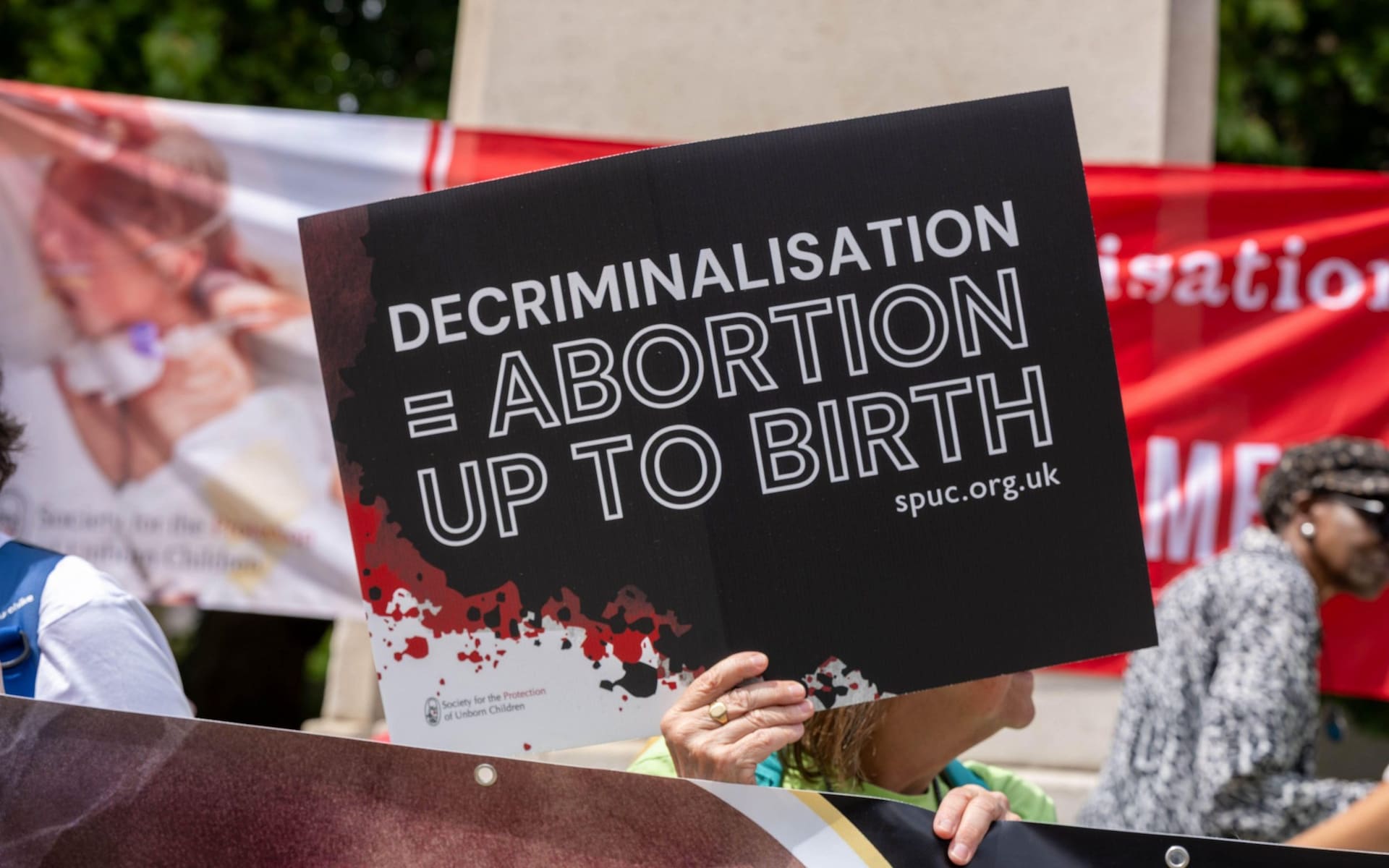
The House of Lords is set to reopen the fight over abortion decriminalisation on Wednesday, as peers debate amendments to the Crime and Policing Bill after MPs voted last year to remove criminal penalties for women acting in relation to their own pregnancies. The dispute has become one of the most sensitive social-policy rows of the current Parliament because critics say the change weakens protections around late-term abortion, while supporters say it would stop vulnerable women being investigated and prosecuted under old criminal laws.
At the centre of the argument is Clause 208 of the bill, which states that “no offence is committed by a woman acting in relation to her own pregnancy”. Parliamentary records show the clause would apply across the law related to abortion, including sections 58 and 59 of the Offences Against the Person Act 1861 and the Infant Life (Preservation) Act 1929. That wording is why opponents say the Lords vote matters so much: they argue it goes beyond a narrow reform and changes how the law treats abortions outside the current framework.
What MPs actually voted for
The Commons backed the measure in June 2025 by 379 votes to 137. Reuters reported that the vote did not legalise abortion up to birth, despite claims made online and by some campaigners. Instead, the amendment would decriminalise abortion for women themselves while leaving the wider legal framework in place, including the 24-week limit and the rules governing doctors and abortion providers.
That distinction is now central to the Lords debate. Supporters of the clause say the present law exposes women in crisis to police action even when cases involve miscarriage, concealed pregnancy, trauma or domestic abuse. The Guardian reported this week that women in England are still being arrested and investigated over suspected illegal abortions while the legislation remains unfinished, a point campaigners say shows why the criminal law should no longer apply to women in these cases.
Why critics want peers to step in
Opponents are focusing on what they say are unresolved risks around later pregnancies, coercion and telemedicine. Baroness Monckton of Dallington Forest is among the peers seeking to remove the clause, arguing that it reduces legal protection for viable unborn babies and for women who may be under pressure from abusive partners. Other amendments would restrict remote prescribing of abortion pills and require investigations in some cases involving girls under 16.
Their argument is that the current 24-week framework would become harder to enforce in practice if women could no longer be prosecuted in any circumstances. In Lords debate earlier this year, peers critical of the clause said it would disapply not only the Victorian abortion offences but also the 1929 law designed to protect a child capable of being born alive. That is the legal and moral issue driving much of the resistance in the upper chamber.
Supporters say the legal framework stays intact
Backers of decriminalisation reject the claim that Parliament is introducing abortion on demand up to birth. They say the clause does not alter when, how or on what grounds an abortion can lawfully be provided. The 24-week limit would remain, along with doctor approval requirements under the Abortion Act 1967, and healthcare professionals or others assisting outside the law could still face prosecution.
Medical bodies have also urged peers to keep the clause. The Royal College of Obstetricians and Gynaecologists says women should be removed from the criminal law related to abortion, arguing that police investigations cause serious harm and deter people from seeking care. The British Medical Association backed the Commons vote on similar grounds.
A wider test for Parliament and the Church
The vote has also drawn attention because of the role of bishops in the Lords. Reports on Tuesday said Archbishop of Canterbury Sarah Mullally would attend the debate after questions were raised over whether a planned pilgrimage would keep her away. Her presence adds symbolic weight to a debate already framed by conscience, medical ethics and the reach of criminal law.
For Parliament, the issue now is not whether abortion has been legal in Britain for decades. It is whether women should still face criminal liability when abortions happen outside the existing framework. Peers can still amend the bill, but the core dividing line is now clear. One side sees Clause 208 as a humane safeguard against prosecution. The other sees it as a major legal shift whose effect on late-term abortion has not been fully reckoned with. Wednesday’s Lords debate will determine which of those readings carries more weight.