
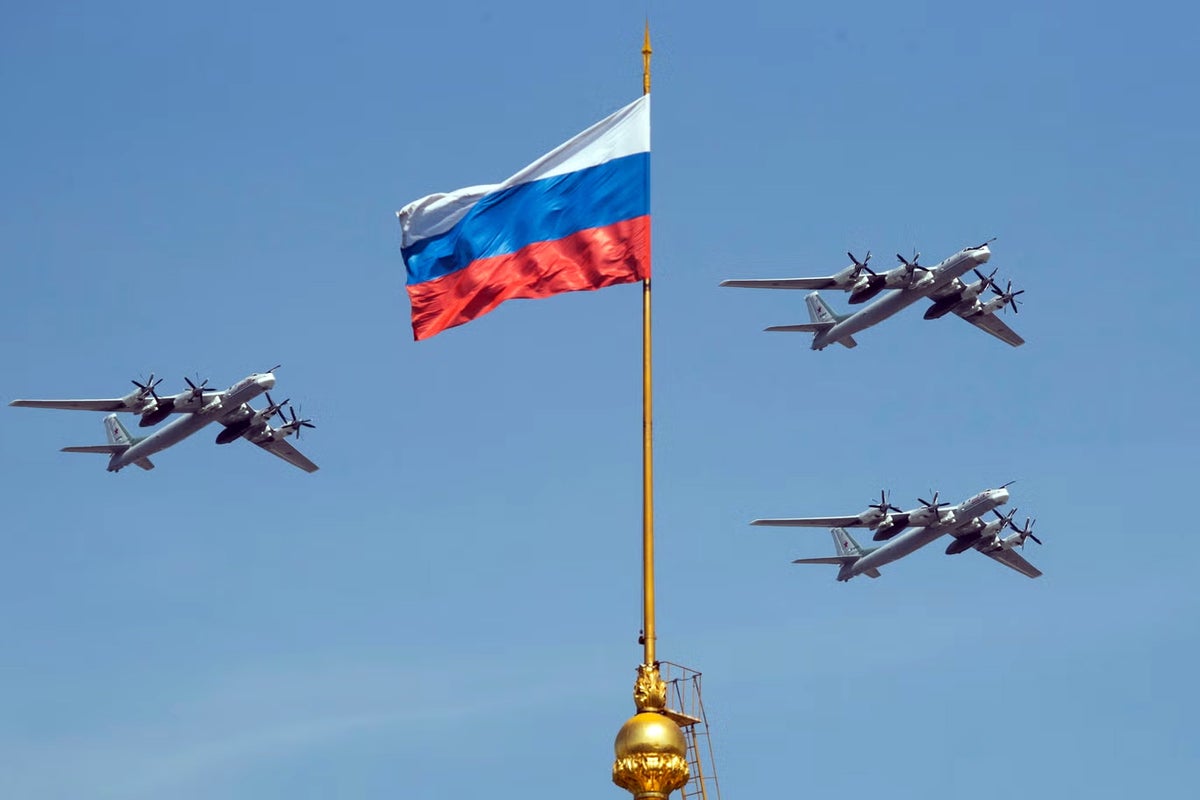
Europe is already engaged in a new form of conflict with Russia — not a hot war, but something more dangerous than the Cold War’s frozen standoff. A freedom of information request by The Independent has brought the picture into sharper focus, revealing a sharp escalation in unlawful drone incursions at British Ministry of Defence sites. The pattern is consistent, the trajectory alarming, and the policy implications are clear.
The Kremlin’s strategy is coherent, if cynical. By operating through semi-deniable actors and calibrating provocations to remain below the threshold that would justify a serious military counterstrike, Moscow exploits the West’s entirely rational preference for restraint. From the Salisbury poisoning to staged communal attacks designed to foment domestic division, Russia has long understood that hybrid pressure is cheaper and safer than conventional aggression.
Three priorities follow logically. Western governments must sustain US engagement with European security, however strained that relationship becomes under the current administration. They must invest urgently in hardening national infrastructure — nuclear power stations, military bases, and communications networks — against drone and sabotage threats. And they must accelerate the build-up of conventional forces on NATO’s eastern flank to raise the cost of any Russian adventurism beyond what Moscow is willing to pay. The strategic logic is sound. The remaining question, as ever, is whether governments will find the fiscal resolve to match their rhetoric.