
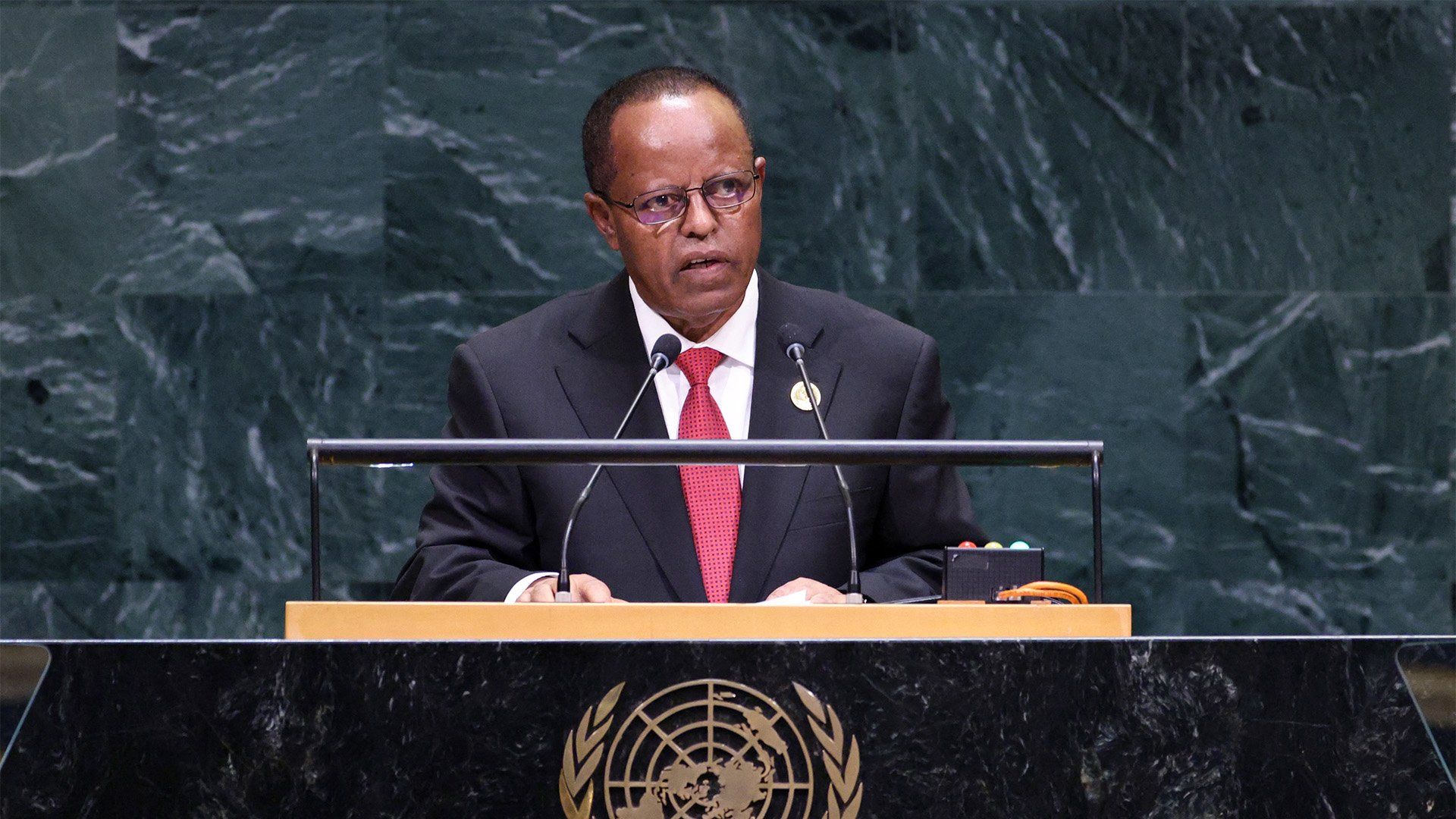
The chamber of the United Nations General Assembly is rarely short of grave warnings, but Ethiopian President Taye Atske Selassie’s address this week carried a particular urgency — one rooted not in rhetoric but in fresh bloodshed unfolding across his country’s northern highlands.
Standing before world leaders on 23 September 2026, President Selassie warned of “forces of destruction and mayhem” threatening Ethiopia’s stability, as Tigray rebel forces launched a coordinated offensive alongside other armed groups, seizing airports and striking government positions across northern Ethiopia. The offensive has revived fears of a return to the full-scale civil war that devastated the country between 2020 and 2022, claiming hundreds of thousands of lives and displacing millions more.
A Fragile Settlement Comes Undone
The Pretoria Agreement of November 2022 was widely praised as a diplomatic achievement — a negotiated ceasefire that ended one of the deadliest conflicts of the twenty-first century and held out the prospect of political reintegration for the Tigray People’s Liberation Front. For a time, it appeared to hold. Humanitarian corridors reopened, some displaced persons returned, and the international community congratulated itself on a rare African peace dividend.
That settlement now appears to be unravelling. The latest offensive suggests that the underlying political grievances — over regional autonomy, resource allocation, and accountability for wartime atrocities — were never adequately resolved, merely deferred. The seizure of airports represents a significant tactical escalation, potentially disrupting federal government logistics and signalling that the TPLF, or factions within it, have retained considerable military capacity despite the post-war demobilisation process.
The coordination between Tigrayan fighters and other rebel groups compounds the federal government’s difficulties considerably, raising the prospect of a multi-front conflict that would stretch the Ethiopian National Defence Force across a vast and complex theatre.
Regional Stakes and International Attention
Ethiopia is not merely a domestic concern. As the seat of the African Union and the continent’s second most populous nation, its stability carries outsized regional significance. A renewed civil war would almost certainly deepen the humanitarian crisis in the Horn of Africa, a region already contending with cyclical drought, food insecurity, and spillover instability from Sudan and Somalia.
For external partners — Western governments, the Gulf states, and multilateral institutions — the renewed fighting presents an awkward reckoning. Considerable diplomatic capital and development financing was invested in the Pretoria process. The resumption of hostilities raises uncomfortable questions about the durability of negotiated settlements in contexts where political institutions remain weak and armed factions retain independent command structures.
President Selassie’s decision to raise the alarm at the General Assembly rather than manage the situation quietly reflects both the severity of the crisis and a calculated appeal for international pressure on rebel leadership. Whether that appeal translates into meaningful diplomatic intervention remains to be seen; the record of external actors in Ethiopia’s internal conflicts is, at best, mixed.
The Human Cost That Numbers Cannot Capture
Behind the strategic assessments and diplomatic manoeuvring lie the lived realities of communities in northern Ethiopia who endured the first war and now face its potential successor. Farmers who had begun replanting, families who had returned to damaged homes, aid workers who had cautiously re-established supply lines — all now face the prospect that the violence they survived was not, in fact, over.
The warnings issued from a New York podium will echo through international newsrooms and foreign ministries. Whether they reach the people most directly at risk, in the highlands of Tigray and Amhara, is another matter entirely — and it is their fate, more than any diplomatic communiqué, that will determine what this moment ultimately means.