
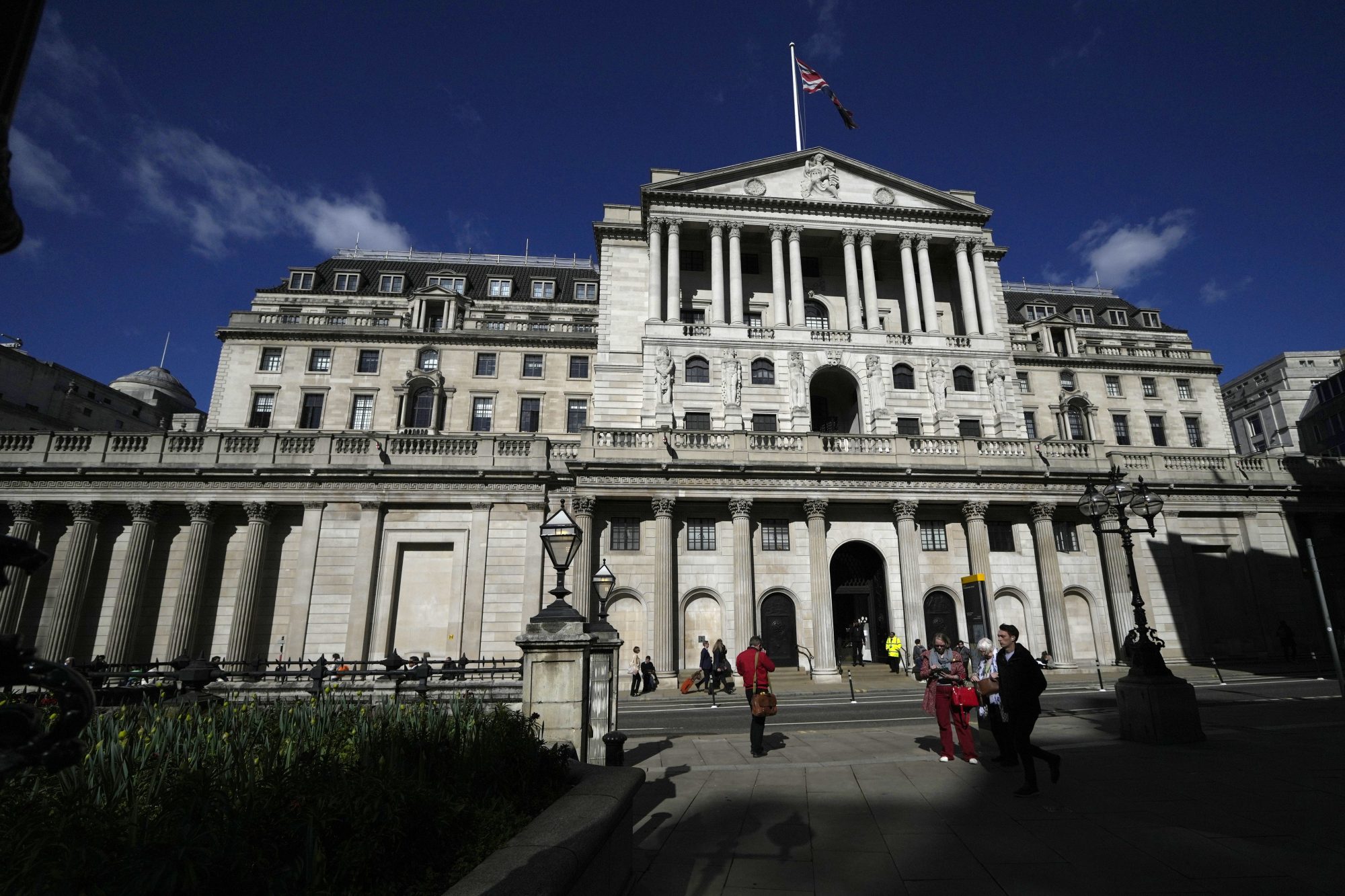
The Bank of England raised its base interest rate to 4% on Thursday, its first increase in more than three years, and signalled that further tightening may follow if the ongoing conflict involving the United States and Iran continues to drive energy prices higher.
Governor Andrew Bailey, announcing the decision, warned that the move was “unlikely to be the last increase” unless the Middle East situation is resolved. The rate rise is designed to bring inflation under control, with surging energy costs identified as the primary driver of price pressures across the British economy.
Energy Prices at the Heart of the Decision
The Bank’s Monetary Policy Committee has now acted directly in response to an inflation environment shaped significantly by geopolitical disruption. Energy markets have remained volatile as the US-Iran conflict persists, complicating the Bank’s task of anchoring expectations and restoring price stability without tipping the economy into recession.
The move to 4% marks a substantial tightening cycle since rates were held at historic lows during the pandemic era. Policymakers face the familiar dilemma of raising borrowing costs sharply enough to subdue inflation without inflicting excessive damage on households and businesses already under financial strain.
Bailey Flags Further Rises
Bailey’s language was notably conditional. The governor stopped short of committing to a fixed path, instead tying the Bank’s future decisions explicitly to developments in the Middle East and their knock-on effect on global energy supply. That framing reflects the degree to which external shocks, rather than domestic demand, are driving the current inflationary episode.
For mortgage holders and businesses with variable-rate borrowing, the immediate implications are clear: debt servicing costs rise again. The question now is whether the Bank will need to act once more before inflation returns to its 2% target.