
What is the loophole, and why does it matter?
Britain’s welfare system contains a quiet anomaly. Under current rules, polygamous marriages contracted overseas are recognised by the Department for Work and Pensions for benefit purposes, allowing men with multiple wives to claim taxpayer-funded payments on behalf of additional spouses. Those payments can include pension credit and housing benefit. The provision applies to families that began claiming before 1988, the year polygamy was formally stripped from domestic recognition within the benefits framework. That it has persisted for nearly four decades without legislative correction is, to its critics, a significant institutional failure.
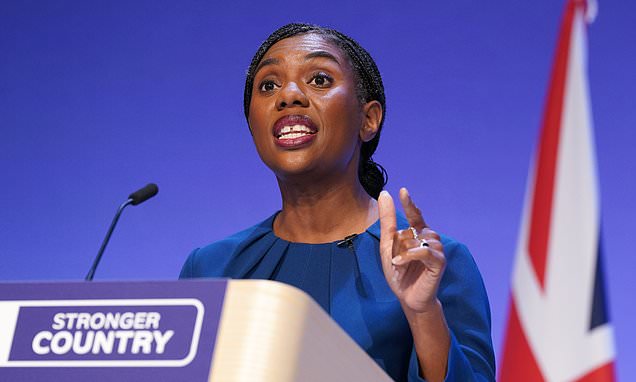
The Conservative Party intends to correct it. Kemi Badenoch will this week back legislation in Parliament designed to close the loophole entirely, framing the effort as a necessary step against what she describes as the state’s inadvertent rewarding of damaging cultural practices.
What exactly is being proposed?
The vehicle is Richard Holden’s Social Security (Marriage) Bill. Holden, the shadow transport secretary and MP for Basildon and Billericay, has tabled the private member’s bill to remove the additional-spouse provisions that currently allow overseas polygamous marriages to generate welfare entitlements. The bill would also put beyond legal doubt that overseas marriages between close relatives, including uncle-niece and aunt-nephew unions, carry no recognition within the welfare system.
Badenoch is simultaneously backing a separate private member’s bill from Conservative MP Dr Luke Evans, which seeks to ban cousin marriage outright. The broader Conservative push draws support from several shadow cabinet members: Helen Whately, Claire Coutinho, Laura Trott and Tom Tugendhat are among those pressing the case. The proposals also extend to incestuous unions, with the draft legislation seeking to deny benefit recognition to any such relationship regardless of where it was contracted.
What is the evidence base?
The case for reform rests partly on empirical grounds. An investigation found that individuals in close-relative marriages, or those who are the product of such relationships, are significantly more likely to claim welfare benefits than the broader population. That finding provides the statistical foundation for treating the issue as a matter of fiscal policy, not merely cultural commentary. Holden has been direct on the point: families struggling with the cost of living, he argues, should not be subsidising arrangements that British law does not permit domestically.
What has Labour’s position been?
Labour’s response has been telling. When Holden previously brought forward legislation targeting the same practice, Labour declined to support it. The expectation among senior Conservatives is that the party will again withhold support for the current bill. That reluctance hands the Conservatives a politically useful contrast: a clear, costed policy position on welfare integrity that the governing party appears unwilling to match.
Why does this matter beyond the specific loophole?
The deeper question is institutional credibility. A welfare system that formally ceased recognising polygamy in 1988 but has continued to pay out on that basis through a legacy provision raises legitimate questions about the coherence of policy implementation. Holden’s argument, that the loophole undermines public confidence in the rule of law, is not rhetorical flourish. It reflects a genuine tension between the letter of domestic legislation and the administrative reality of how overseas arrangements are processed by the DWP. Closing the gap, whatever one’s view of the surrounding cultural debate, is a straightforward matter of legal consistency.
The bill’s prospects depend on parliamentary arithmetic and government time. Private members’ bills face structural obstacles, and without government backing, even well-supported proposals can stall. Labour’s expected opposition makes passage under the current Parliament unlikely. The Conservatives are, in effect, laying down a policy marker for the next election rather than expecting immediate legislative success.