
A new study from the University of York offers encouraging evidence that pub operators can expand their alcohol-free offerings without sacrificing the revenues that sustain their businesses. Published in Drug and Alcohol Review, the research examined how a series of incremental environmental adjustments — described by the authors as behavioural “nudges” — influenced consumer purchasing decisions across three distinct British pubs, with results that should interest both hospitality managers and the policymakers who regulate them.
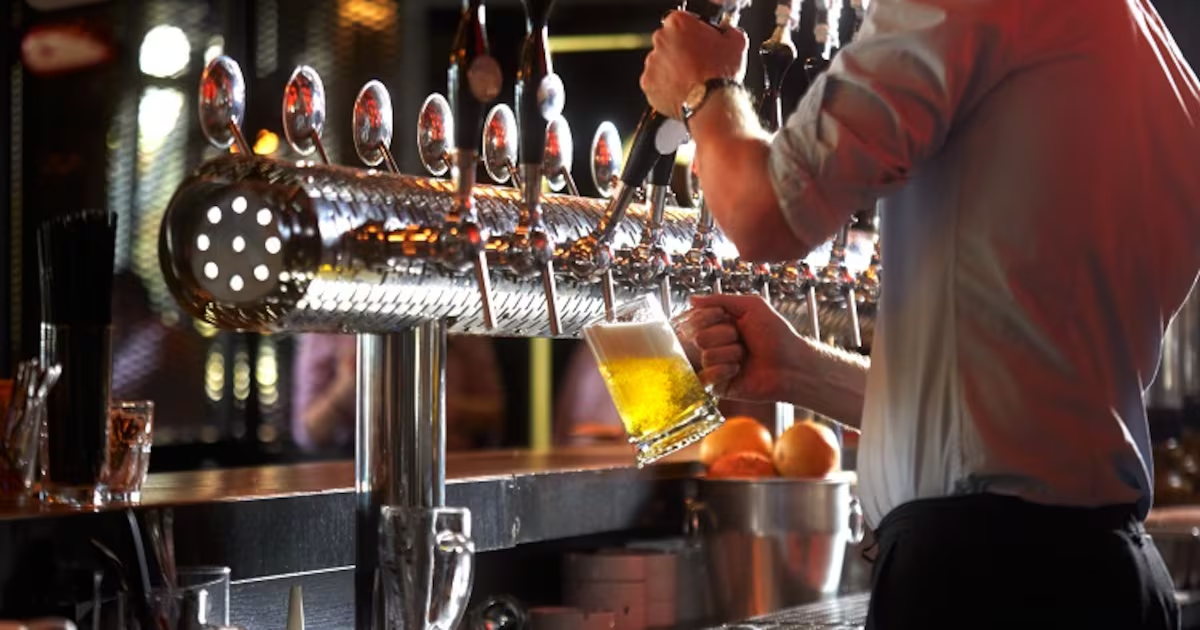
The study tested three cumulative interventions in sequence. First, researchers introduced canned alcohol-free beer into refrigerator displays. Second, they installed promotional posters behind the bar and in customer restrooms. Third, and most consequentially, they replaced one standard draught line with an alcohol-free option on tap. The final intervention proved decisively more effective than the others, with consumers demonstrating a clear preference for a freshly poured pint over its canned equivalent.
Promotional posters, by contrast, yielded limited measurable impact — a finding that will come as little surprise to those sceptical of information-led public health campaigns. What moved behaviour was not messaging but physical availability, a distinction with meaningful implications for how licensing authorities and pub chains approach the question of moderation.
Revenue Resilience and the Substitution Effect
The most commercially significant finding is that the introduction of alcohol-free draught beer did not erode total drinks revenue. Rather than cannibalising sales of traditional beer, the new option appears to have drawn demand away from wine and spirits. That substitution pattern suggests the market for lower-alcohol products represents genuine incremental consumer preference rather than a zero-sum redistribution of existing spend.
Environmental conditions also shaped demand, with warmer weather correlating with stronger uptake of no- and low-alcohol beverages — a reminder that the commercial case for stocking such products is partly seasonal and venue-dependent.
Dr Nadine Waehning of York’s School for Business and Society argued that the findings demonstrate the viability of “inclusive drinking environments,” noting that the tap option gave customers “attractive, authentic alternatives without reducing total venue revenue.” Professor Victoria Wells added that modifying the drinking environment offers “a scalable, commercially viable path to support lower-risk drinking within everyday social settings,” with particular relevance to operators who wish to engage credibly with periods such as Dry January or Stoptober.
Wells also drew on a broader body of work, referencing a chapter on York’s pubs in the newly published report Poverty and Progress? 125 years on from Rowntree’s study of life in York, which she says confirms that moderation is a genuine and growing trend rather than a marginal lifestyle choice. For pub managers weighing the economics of reformatting their draught selections, that contextual data strengthens the commercial argument considerably.
The authors position their findings as evidence for proportionate, market-compatible policy — the kind of approach that allows consumer preferences to drive change rather than imposing it through restriction or compulsion. For policymakers and licensing authorities seeking evidence-based tools that do not burden operators or curtail choice, this research provides a useful and empirically grounded reference point.