
For three years, diplomats gathered under the auspices of the UN Convention on Certain Conventional Weapons in Geneva had been working, however haltingly, toward an international framework for regulating autonomous weapons systems — the so-called “killer robots” that defence analysts have long warned could reshape the character of modern warfare. The process was slow, contested, and technically complex, but it represented the most serious multilateral attempt yet to place meaningful constraints on weapons capable of selecting and engaging targets without direct human authorisation.
Earlier this month, that process reached a decisive and troubling turning point. During closed-door sessions in Geneva, negotiators from the United States and Russia pushed through a series of amendments to the draft treaty that, according to Human Rights Watch, stripped out core safeguards relating to ethical standards, human oversight, predictability, reliability, and design requirements. Cameras were switched off and independent observers were excluded from the room during the critical phase of negotiations, according to people familiar with the talks cited by The Washington Post — a procedural opacity that sits uneasily alongside the gravity of what was being decided.
The two delegations arrived with legal teams nearly twice the size of those fielded by other participating states, and over approximately fifteen hours of last-minute negotiations they succeeded in narrowing the treaty’s scope from a broad application across international law to the more restricted domain of international humanitarian law alone. Crucially, a provision that would have required human review of AI-generated target lists before a weapon carried out a strike was removed entirely, a change that human rights organisations warned could substantially reduce accountability for civilian casualties caused by autonomous systems.
Nicole van Rooijen, executive director of the Stop Killer Robots coalition, accused Washington and Moscow of deliberately weakening the draft. Her concerns are well-founded on the evidence available. The removal of human-oversight language is not a technical adjustment — it is a substantive policy choice with direct implications for how autonomous weapons are deployed in conflict zones and how responsibility for their effects is attributed under international law.
A Broader Strategic Context
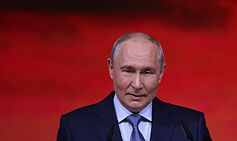
The episode does not sit in isolation. It coincides with a period of intense diplomatic pressure surrounding the war in Ukraine, with President Trump publicly urging President Zelensky to reach a settlement with Vladimir Putin. Trump told reporters he wanted Zelensky to “make a deal” and “settle with Putin,” framing the resolution of the conflict in transactional rather than principled terms. Meanwhile, Russian overnight airstrikes continued across Ukraine: two women died in Zaporizhzhia after being buried under the rubble of their home, two further people were killed in a strike on Sumy, and a drone attack in the Kyiv region ignited a fire at a warehouse and injured two more civilians.
What emerges from Geneva is a draft framework that represents the furthest formal progress yet toward international rules on autonomous weapons, yet one whose substantive content has been hollowed out by the very powers most invested in deploying such systems at scale. For policymakers and legal scholars who had hoped that multilateral diplomacy might establish a durable architecture of constraint before autonomous weapons proliferate further, the Geneva outcome is a sobering demonstration of how great-power interests can reshape — and diminish — the ambitions of international law.