
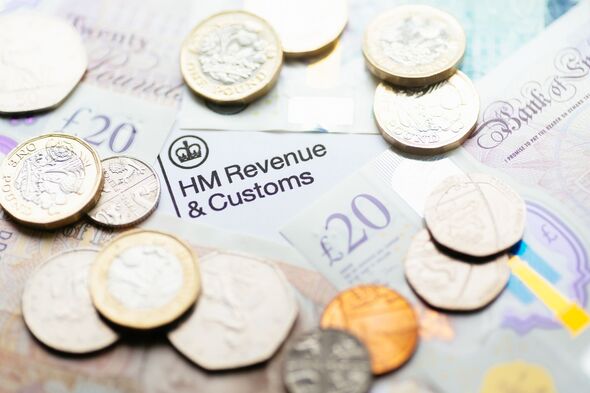
The cumulative effect of frozen income tax thresholds is now registering with considerable force across Britain’s retired population, with new HMRC figures confirming that 9.58 million pensioners are expected to pay income tax in the 2026–27 tax year — a figure that represents 2.84 million more than when the freeze was first introduced in 2021–22, and roughly a quarter of all taxpayers in the country.
The mechanism at work is straightforward, if politically uncomfortable. The personal allowance has remained fixed at £12,570, while the full new state pension — currently worth £12,547.60 per year — is mathematically certain to breach that threshold next April, driven upward by the triple lock’s annual indexation guarantee. Once that crossover occurs, pensioners whose total income exceeds the allowance will face a 20% marginal rate on earnings up to £50,270, a band that encompasses employment income, self-employed profits, most pension receipts including the state pension itself, rental income, trust income, and savings interest above the relevant allowance.
The numbers have been building steadily, but the trajectory sharpens considerably from here.
An additional 500,000 pensioners are projected to enter the taxpaying cohort compared with the previous year alone. Analysis by consultancy LCP indicates that more than seven in ten pensioners now pay income tax — a structural shift in the relationship between retirement income and the tax base that would have seemed implausible a decade ago. Sir Steve Webb, a former pensions minister and now a partner at LCP, described the situation plainly to the Telegraph: “The surge in older people paying income tax is continuing, with record numbers of taxpaying pensioners in 2026–27. The recent extension of the freeze in personal allowances, combined with the continued generous indexation of the state pension means that even more people in retirement can expect to become taxpayers for the first time in the coming years.”
That extension is the decision of Chancellor Rachel Reeves, who has prolonged the threshold freeze through to April 2031. Each successive triple lock increase will therefore pull a fresh cohort of pensioners across the liability threshold, compounding fiscal drag year after year without requiring a single explicit tax rise.
There is one mitigating consideration worth noting. DWP data from 2024, analysed by Royal London, showed that just over half of new state pension recipients actually receive the full amount; the remainder draw only a partial pension commensurate with their National Insurance record. A full entitlement requires 35 qualifying years of contributions or credits, with partial entitlement available to those who have accumulated between 10 and 35 years, and no payment at all for those below the ten-year floor. The imminent threshold breach therefore lands most heavily on those who have built complete contribution records — in other words, those who have worked longest and saved most diligently throughout their careers.
The broader picture is one of a tax system in which inertia does the work that legislation cannot easily do openly. Whether that represents sound fiscal management or an erosion of the implicit compact with savers and retirees is a question policymakers will find increasingly difficult to defer as the 2031 review date approaches.