
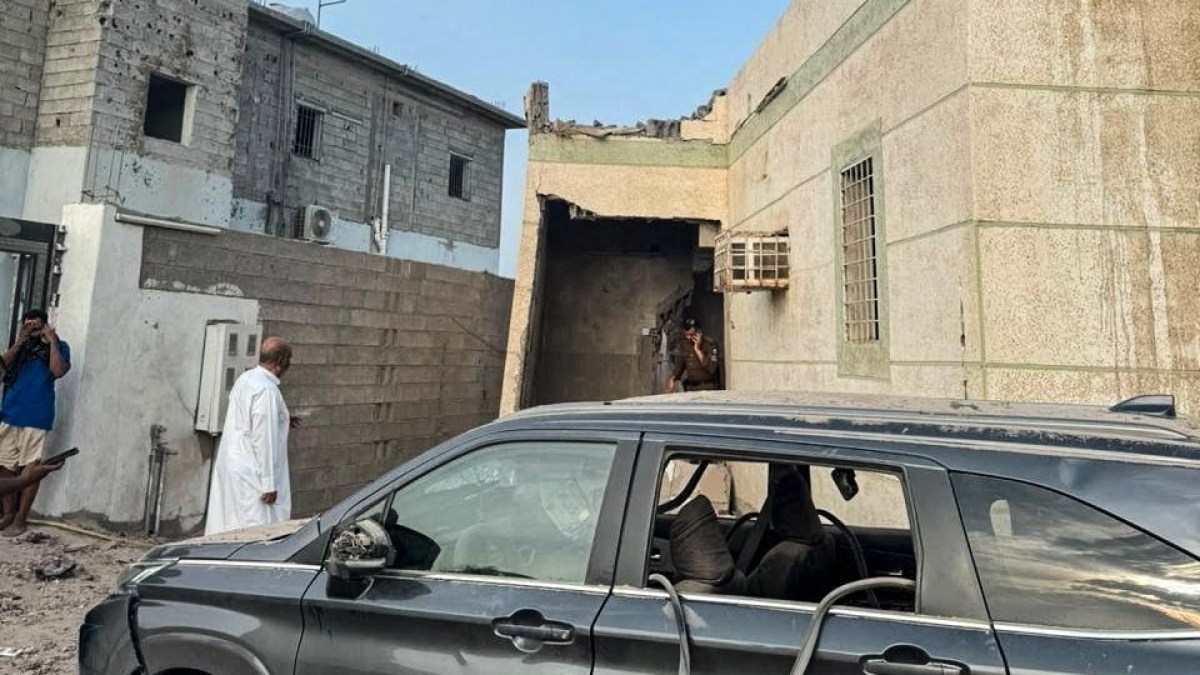
Saudi Arabia’s Civil Aviation Authority confirmed on Tuesday that two airports close to the Yemeni border sustained strikes the previous evening, leaving three people injured and causing material damage to infrastructure at both sites. King Abdullah bin Abdulaziz airport in Jazan and Najran airport were targeted in what the Gulf Cooperation Council’s Secretary-General Jassim al-Budaiwi described as “a dangerous escalation,” calling on the international community to take a firm stance against such attacks on civilian facilities.
Yemen’s Houthi movement, formally known as Ansar Allah, claimed responsibility for the strikes, stating that its forces had targeted airports and military sites across southern Saudi Arabia. The Saudi authority noted that specialised teams responded immediately, that the injured had been transferred to hospital, and that measures were being enacted to protect passengers and staff while damage assessments continued. Kuwait’s Ministry of Foreign Affairs joined the regional condemnation, accusing the Iran-aligned group of deliberately targeting civilians and economic infrastructure.
What is the broader military context?
The airport strikes did not occur in isolation. They coincide with a significant intensification of the Yemen conflict, in which forces loyal to the internationally recognised Yemeni government — backed by the Saudi-led coalition — have launched a counteroffensive against Houthi-held territory. Government-aligned forces claim to have retaken the Red Sea port city of Mocha and now assert control over the strategically vital Bab al-Mandeb strait, a chokepoint of considerable importance to global shipping.
The Saudi-led coalition confirmed its direct involvement in the offensive, deploying 100 fighter jets in an air-support role and launching naval operations against Houthi positions in Hodeidah governorate. The coalition also announced the destruction of a ballistic missile launch platform in the Houthi-controlled capital Sanaa, as well as a storage facility in Saada reportedly housing twenty ballistic missiles.
Fernando Carvajal, a former United Nations Security Council adviser on Yemen, offered a measured assessment of what the recapture of Mocha actually means in practice. Government forces, he noted, must first demonstrate they can hold a city surrounded by Houthi positions on three sides before it can serve as a viable staging point for further advances. Retaking territory is one thing; consolidating it is quite another.
On the diplomatic front, Saudi Arabia, Turkiye, and Pakistan agreed to activate “collective deterrence measures” under a mutual defence pact and to deploy forces rapidly to the kingdom. Saudi Defence Minister Khalid bin Salman announced the decision, framing it as an expression of allied solidarity in confronting attacks on the kingdom and its holy sites. Carvajal cautioned, however, that the practical contribution of these partners remains unclear, and suggested Pakistan may seek a mediating role — though the Houthis would likely insist on direct talks with Riyadh alone, potentially sidelining the Yemeni government entirely.