NHS Nurse Struck Off After Pocketing £19,575 in Fraudulent Shift Claims
A nurse has been removed from the professional register after fraudulently inserting 50 fictitious shifts into NHS rosters over a two-year period, unlawfully claiming nearly £20,000 in pay and accruing hundreds of hours of unearned leave at a cash-strapped NHS trust.
The Fraud
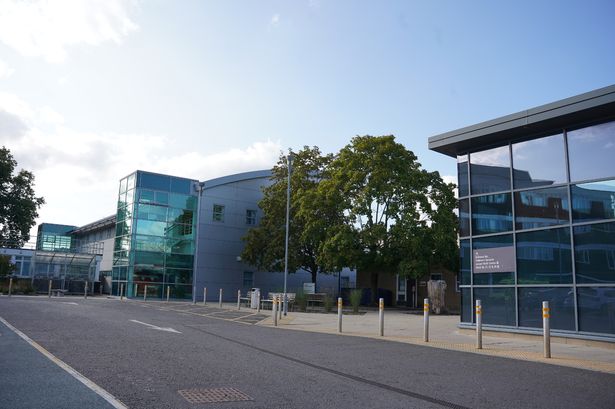
Faith Chareka, formerly employed in the emergency department at Frimley Health NHS Foundation Trust in Surrey, was found guilty of fraud by abuse of position. According to a Nursing and Midwifery Council (NMC) fitness to practise committee report, she retrospectively added shifts to her roster between 1 November 2020 and 1 February 2023.
The majority of the fabricated shifts were logged at enhanced rates applicable to nights, bank holidays, and weekends. In total, Chareka received £19,575.41 in fraudulent payments and accrued 540 hours of time off in lieu (TOIL) that she was never required to work.
Criminal Conviction and Dismissal
Chareka pleaded guilty in 2024 and received an 18-month suspended sentence, a 15-day rehabilitation activity requirement, and 200 hours of unpaid work. The trust had already dismissed her in 2023 following an internal investigation.
At sentencing, the judge noted that Chareka had “engaged in repeated and premeditated dishonesty over a period of two years.” The offence was further characterised as being “committed against a publicly funded NHS body already under financial pressure.”
Impact on the Trust and Patient Safety
Rosie Welsh, case presenter for the NMC, argued that Chareka’s conduct had exposed the emergency department to “potential risk of understaffing, delays, reduced support for colleagues and wider strain upon the service.”
The NMC panel concluded that her actions had compounded financial pressures on the trust during and beyond the Covid pandemic. By claiming TOIL she had not earned, Chareka also forced colleagues to cover shifts that should have been her responsibility.
Striking-Off Order
Welsh submitted to the panel that “the only sanction capable of maintaining public confidence in the profession” was removal from the register. Chareka’s representative, Alexandra Monaghan, contended that the panel’s role was not punitive and that her client had already faced sufficient punishment through the criminal courts, having demonstrated “genuine remorse and insight.”
The panel rejected that argument and struck Chareka off the nursing register. Pending the conclusion of a mandatory 28-day appeal period, an interim suspension order of 18 months was imposed to cover any potential challenge to the decision.