
The United States has struck Iran directly, in what the Pentagon framed as a measured but forceful answer to a sustained campaign of Iranian aggression against American military personnel in the Middle East.
The sequence of events began with what U.S. Central Command described as a “surprise attack” orchestrated by Iran’s Islamic Revolutionary Guard Corps, which targeted American bases in the region. The assault involved more than thirty drone strikes, a scale of provocation that made some form of American response a near-certainty. Saudi Arabian Armed Forces, acting alongside their American counterparts, moved quickly to help intercept and counter the incoming drones, underscoring the degree to which regional partners now treat Iranian-aligned militant activity as a shared threat requiring a coordinated military answer.
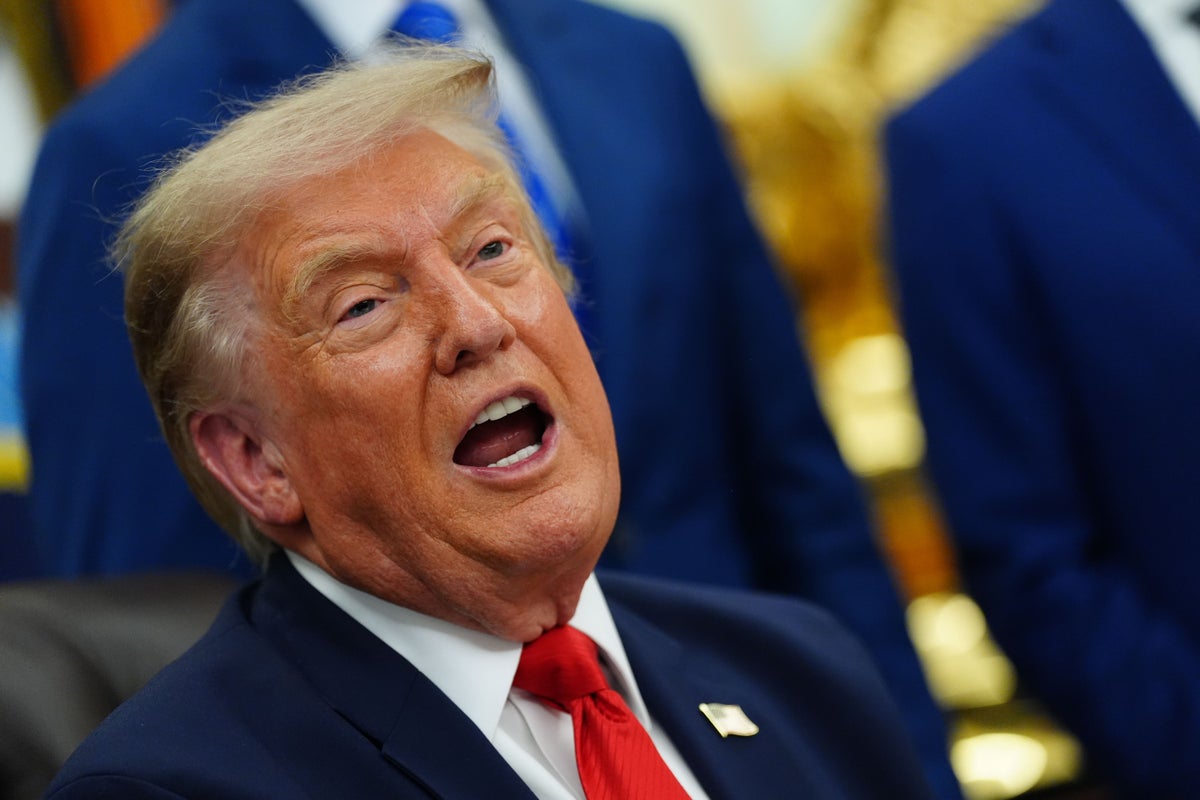
By Tuesday night, the immediate attack had been repelled. Yet Washington’s response did not end there. In the hours that followed, President Donald Trump issued unusually blunt public warnings directed at Tehran, making clear that the United States intended to respond in kind and with considerable force. The rhetoric, characteristically undiplomatic, left little ambiguity about the administration’s intentions.
At 8 p.m. Eastern Time, U.S. Central Command confirmed that American strikes against Iran had commenced, characterising the operation as a “powerful response” to the preceding Iranian aggression. Simultaneously, U.S. and Saudi forces conducted coordinated strikes in Iraq against Iran-aligned targets, operations that resulted in the deaths of at least twenty soldiers. The geographic breadth of the response — spanning Iran itself and Iranian proxy positions in Iraq — signalled a deliberate effort to impose costs across the full architecture of Iranian regional influence rather than confine retaliation to any single theatre.
The episode marks a significant escalation in the long-running contest between Washington and Tehran, one that has now moved beyond proxy skirmishes into direct military exchange. How Iran chooses to respond, and whether the Gulf’s fragile equilibrium can absorb the shock, will define the next chapter of a confrontation with consequences that extend well beyond the region.