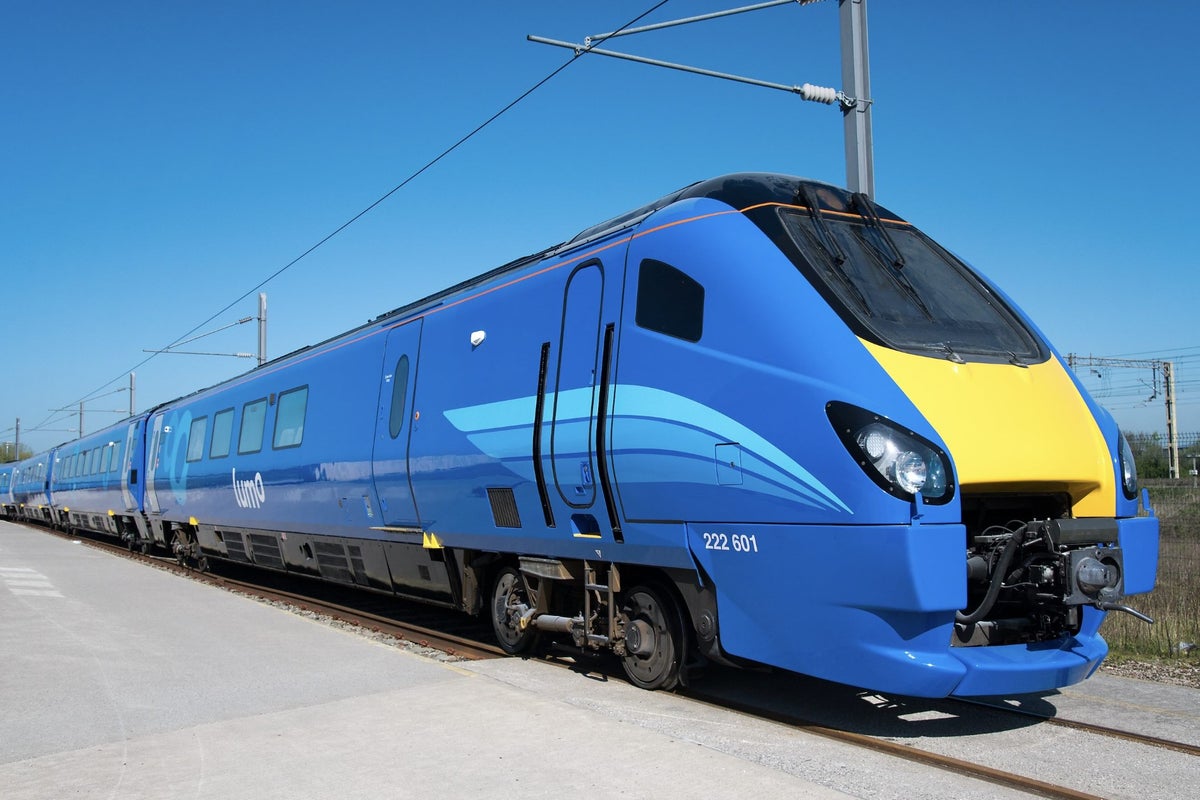
Passengers travelling on Lumo’s West Coast Main Line services between London Euston and Stirling have been enduring journeys of more than five and a half hours without access to functioning onboard toilet facilities, after the FirstGroup-owned open-access operator acknowledged a widespread fault affecting its lavatory systems.
Lumo confirmed “a fault” with the toilets in a post on X on Saturday, 1 August, as affected services continued to operate across the 417-mile corridor between the capital and central Scotland. To manage the situation, trains have been making extended stops at intermediate stations — including Preston — to allow passengers to disembark and use platform facilities before reboarding.
The disruption has already caused measurable operational knock-on effects. The 6.11am departure from London Euston on Friday ran with a 58-minute delay and terminated short of its scheduled destination at Motherwell, North Lanarkshire, rather than continuing to Stirling.
Lumo operates its West Coast services using refurbished Class 222 Meridian trains, the same rolling stock deployed by East Midlands Railway, which has itself reported recurring toilet faults across its fleet. Lumo has confirmed it is working closely with Alstom — the firm responsible for refurbishing the trains — to resolve the underlying reliability issues.
The episode highlights a notable gap in passenger protection: train operators in Britain carry no legal obligation to provide onboard toilet facilities, leaving travellers on long-distance routes with limited formal recourse when such amenities fail. The absence of a statutory requirement places the burden of remedy squarely on the operator’s goodwill and commercial reputation.
Lumo operates on a fully open-access basis, setting its own fares, absorbing all revenue risk, and receiving no taxpayer-funded subsidy. That commercial independence also means the operator sits outside the scope of the Government’s ongoing renationalisation of franchised rail services, leaving it to resolve the matter through its own contractual relationship with Alstom and its obligations to fare-paying customers.