
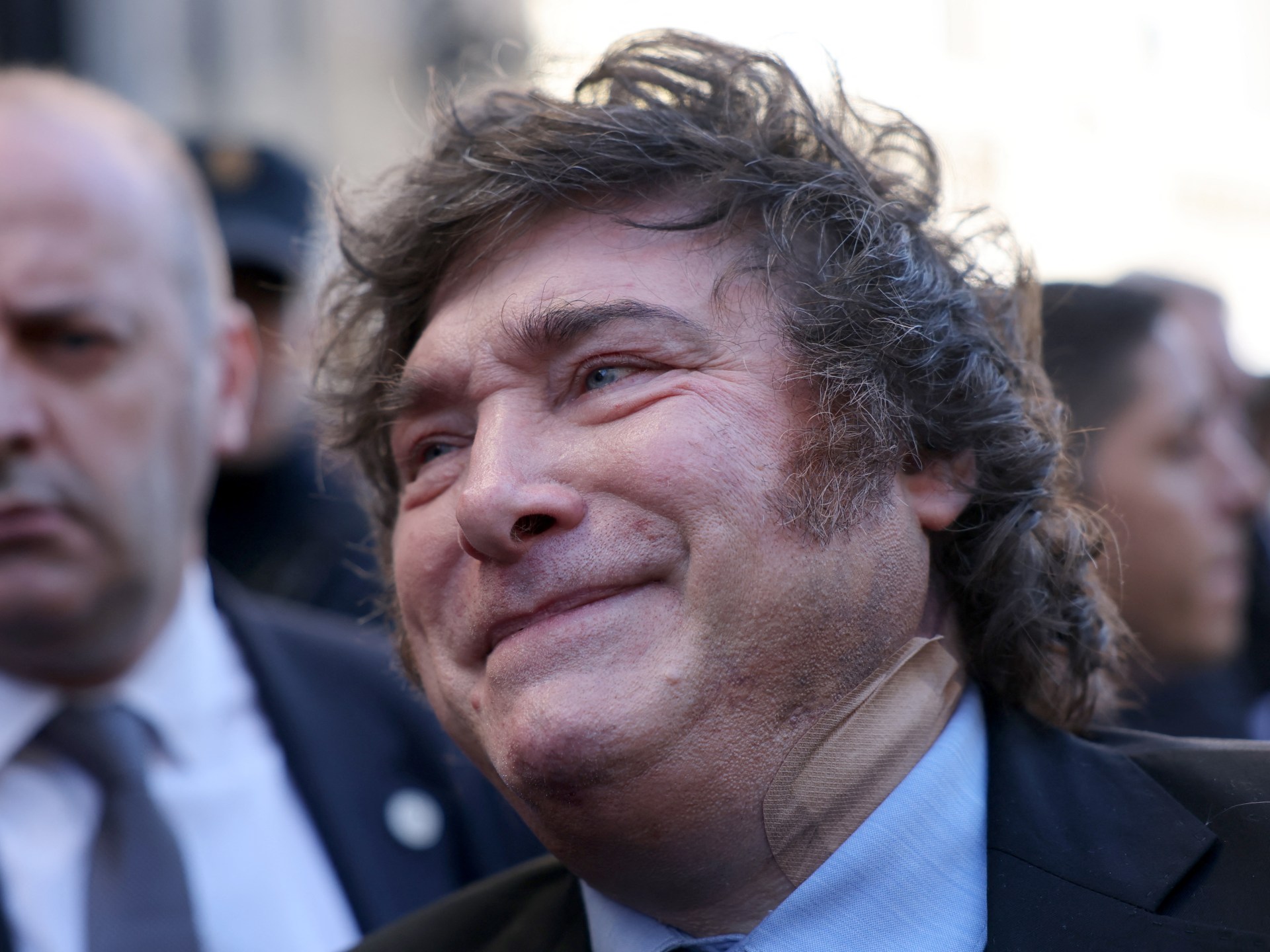
When Argentine President Javier Milei posted enthusiastically about an obscure meme coin called $Libra on X in February 2025, then deleted the post as its value collapsed, the episode seemed tailor-made to fuel a criminal investigation. Federal Judge Marcelo Martinez de Giorgi has now closed that investigation, ruling that the events surrounding the token’s launch and subsequent crash do not constitute a criminal offence. The decision, issued on Friday according to court records, ends an inquiry that had ensnared not only Milei but also his sister Karina Milei and US businessman Hayden Davis, who had described himself as a “launch adviser” for the token.
The judge’s reasoning is worth examining carefully, because it illuminates a distinction that is easy to blur in the heat of political controversy. Martinez de Giorgi acknowledged that Milei’s institutional standing as head of state could have lent the launch “greater impact” when he posted about it, amplifying retail interest in ways that a private citizen’s endorsement would not. Yet amplification, however consequential, is not the same as deception. Investor losses and the volatility of a cryptocurrency’s price, the judge wrote, are insufficient on their own to establish the deliberate fraudulent intent that a criminal conviction requires. The law demands more than misfortune; it demands proof of a scheme.
Davis, who has acknowledged holding close to $100 million following the crash, denies any wrongdoing, and the investigation into him was dismissed alongside the case against the Mileis. The official presidential office responded to the ruling with characteristic combativeness, posting on X that “for the first time in history, a President of the Nation was investigated with complete freedom, resulting in absolute proof of his innocence,” before asking pointedly who would be held accountable for wasting Argentine taxpayers’ money in what it called “a failed attempt at an institutional coup.” That framing will strike critics as self-serving, but the legal outcome is clear enough on its own terms.
What does this mean for Milei’s broader political standing?
The crypto episode arrived at a delicate moment for a president who has staked his reputation on a radical programme of economic liberalisation. Since taking office in 2023, Milei has shed thousands of state employees, shuttered ministries, slashed subsidies, and wound back government-funded programmes, all in pursuit of bringing Argentina’s ruinous inflation under control. Monthly inflation has fallen to around 2 percent, a figure his administration presents as vindication, alongside a claim that Argentina has grown for 27 consecutive months at roughly four times its historical rate. Whether those numbers fully reflect underlying structural improvement or are partly a statistical rebound from a depressed base is a question economists continue to debate, but the direction of travel has given Milei considerable domestic credibility among those who remember far worse.
His international positioning reinforces that standing in certain quarters. Milei is among US President Donald Trump‘s most conspicuous foreign admirers, and Trump has reciprocated warmly, describing him as his “favourite president.” Trump’s endorsement has never been unconditional — he stated plainly ahead of a White House lunch with the Argentine leader that his support depended on electoral results — but the relationship has survived the crypto controversy without visible strain. Milei has urged Trump to emerge stronger from the US midterm elections, framing the vote as consequential for the West as a whole, a rhetorical posture that reflects his ambition to be seen as a figure of global ideological significance rather than merely a regional phenomenon. The collapse of the fraud case removes one obstacle to that ambition, even if the political memory of the $Libra episode will linger longer than the legal proceedings that surrounded it.