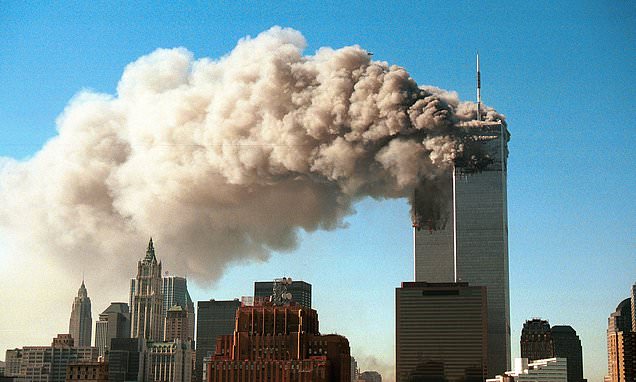
Twenty-five years on from the most devastating terrorist attack in modern history, the BBC chose to mark the anniversary of September 11 in a manner that has provoked considerable unease among politicians, commentators, and ordinary viewers. The criticism is pointed and, on the available evidence, not easily dismissed.
Across its television programmes, radio broadcasts, and news website, the corporation conspicuously avoided the phrase “Islamist terrorism” — the plainest accurate description of what occurred on that morning in 2001. In its place, BBC journalists reached for softer formulations. One substantial online piece, titled Spies, Strategies and Missed Opportunities: What We’re Still Learning from 9/11, deployed the phrase “terrorist attack” precisely once, preferring instead the curiously passive construction “attacks against the US,” as though the perpetrators and their ideology were incidental details.
The BBC Global News Podcast opened a segment on the anniversary without identifying who carried out the attacks at all. That is not editorial restraint; it is editorial evasion, and it matters because language shapes understanding.
A reporter broadcasting live from New York did at least acknowledge the events as terrorism, yet promptly redirected the conversation toward the discrimination faced by Muslims in the United States in the aftermath of 2001. The pivot was telling. Where audiences might reasonably expect reflection on nearly three thousand lives lost, on the intelligence failures, the geopolitical consequences, and the nature of jihadist ideology, they received instead a frame in which the primary legacy of 9/11 is apparently the burden it placed on a religious community.
One Westminster source, quoted anonymously, offered a comparison that is blunt but not without force: the BBC’s approach, they suggested, resembled opening D-Day commemorations by dwelling on the suffering of the Nazis. The analogy is deliberately provocative, yet it captures something real about the inversion of moral emphasis that critics detected in the coverage.
None of this is to suggest that the experiences of British or American Muslims in the post-9/11 decade are without legitimate interest. Discrimination is a serious matter and deserves serious treatment. The question is one of proportion and occasion. A commemorative programme marking a mass-casualty atrocity is not the natural vehicle for that particular inquiry, and subordinating the victims to a tangential narrative about community relations represents a failure of editorial priorities rather than an act of journalistic courage.
The BBC occupies a unique constitutional position, funded by a compulsory licence fee and charged with serving the entire public. That position demands a standard of rigour and balance that goes beyond the preferences of any editorial culture. When the corporation’s coverage of a defining moment in recent history appears shaped more by ideological sensitivity than by the facts of the event itself, the case for scrutinising its editorial governance becomes correspondingly stronger. The anniversary has passed, but the questions it raised about the BBC’s judgement will not fade as quickly.