
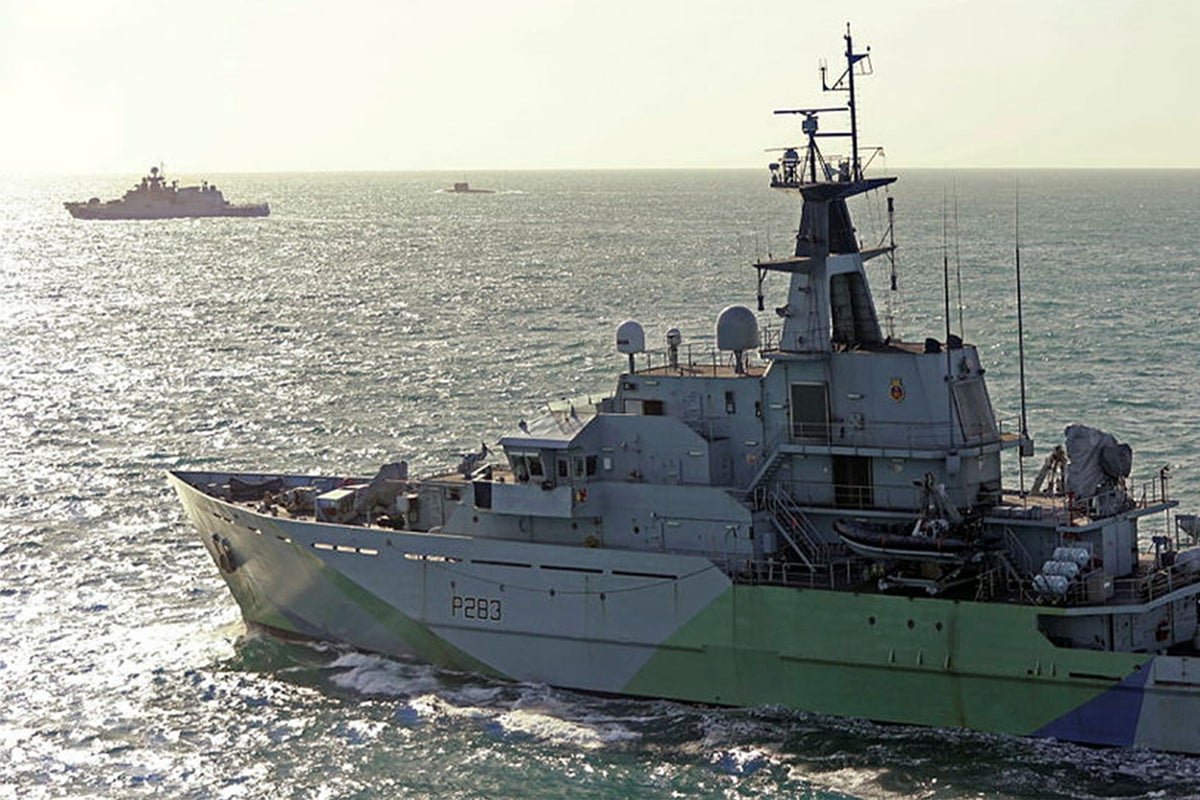
Russian naval activity near United Kingdom waters has risen sharply, with the Royal Navy spending 21 days in July alone monitoring Moscow’s vessels — a 25 per cent increase in operational tasking compared with the same period last year. The pattern reflects a sustained and deliberate escalation that carries implications for both North Sea security and the integrity of Western sanctions.
The Shadow Fleet Dimension
The deployment of Russian frigates as escorts for shadow fleet tankers reveals the extent to which Moscow now treats sanctions evasion as a military priority. The Ministry of Defence has noted pointedly that this diversion of warships to guard commercial cargo consumes “valuable operational capacity” — a signal that Western pressure on the shadow fleet is beginning to impose genuine costs on Russian naval planning.
That pressure took a more direct form in June, when Royal Marines seized the tanker Smyrtos — the first time British forces had physically boarded a shadow fleet vessel. The subsequent 25 per cent surge in Russian naval presence in July may not be coincidental; it suggests Moscow is recalibrating its posture in response to more assertive British enforcement.
Institutional Resilience Under Strain
The scale of these operations raises legitimate questions about resource allocation. Sustaining 116 activations in a single year, across both the North Sea and the North Atlantic, places considerable demands on a Royal Navy whose surface fleet has contracted significantly over recent decades. The vessels involved — offshore patrol ships and a single frigate on NATO deployment — are performing tasks that stretch their intended operational envelopes.
Commander Millyard’s remarks on returning HMS Somerset to port captured the human dimension of this sustained commitment, but they also implicitly acknowledge the pressure placed on ships’ companies over extended deployments. Institutional resilience, in this context, is not merely a question of hardware; it depends equally on the recruitment, retention, and morale of the personnel operating these platforms.
A Broader Strategic Signal
Taken together, the data points to a Russian naval strategy that is opportunistic, persistent, and increasingly integrated with economic warfare. Moscow is not merely conducting exercises or asserting presence; it is actively protecting a sanctions-evasion architecture that funds its military campaign in Ukraine. The Royal Navy’s response has been measured and professional, but the trajectory of Russian activity — up 30 per cent over two years and still rising — demands serious attention from both the Ministry of Defence and the NATO alliance as a whole.
The broader lesson is straightforward: market-based sanctions regimes, however well-designed, require credible enforcement mechanisms to function. Without the maritime capacity to interdict shadow fleet operations, the financial pressure on Moscow diminishes. The Royal Navy’s current operational tempo suggests that capacity is being stretched to its limits.