
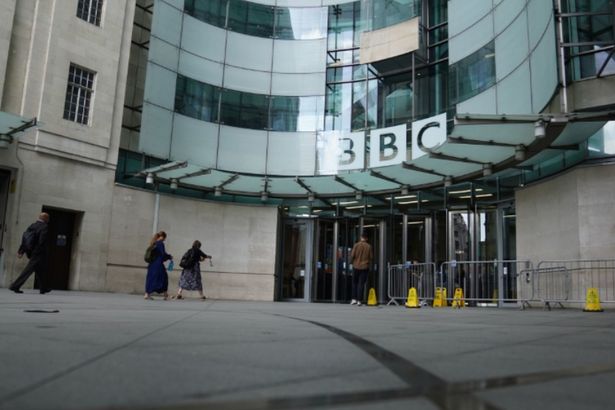
A Radical Overhaul Gathers Pace
The BBC’s £180 annual television licence fee could be abolished and replaced with a £132 charge applied directly to household broadband bills, under proposals gaining traction within Andy Burnham’s cabinet. The plan, which would amount to £11 per month, would apply to every home with an internet connection — irrespective of whether residents consume any BBC content whatsoever.
Lisa Nandy, reappointed as Culture Secretary after Burnham succeeded Sir Keir Starmer as Prime Minister this summer, has been tasked with overseeing the next BBC Charter review. It is within that process that the broadband levy option has emerged as a serious contender, reported first by The Telegraph on Sunday.
The Proposal and Its Origins
The specific model under consideration was put forward by the Social Market Foundation and is described as “gathering momentum” among ministers. Under the arrangement, the obligation to pay would be decoupled entirely from television ownership or BBC viewership — a significant structural departure from the existing licence fee model, which has underpinned BBC funding since 1946.
A spokesman for the Department for Digital, Culture, Media and Sport confirmed to The Telegraph that the government is actively examining a range of funding alternatives. “The BBC must be funded by a model that is sustainable and fair to all those that are paying it,” the spokesman said, adding that the Charter review would consider how the corporation might operate more efficiently, generate greater commercial revenue, and reform the licence fee itself.
Political and Institutional Positioning
Nandy had previously ruled out a “direct” tax to fund the broadcaster, a distinction that proponents of the broadband levy will argue preserves — at least nominally — the hypothecated character of BBC funding. Meanwhile, BBC director-general Matt Brittin is reportedly open to the proposal, having accepted the need for fundamental change at the corporation.
MPs have also lent their support this week to some form of universal household levy, signalling that parliamentary appetite for reform extends beyond the executive. The convergence of ministerial interest, think-tank advocacy, and institutional openness from within the BBC itself suggests the debate over the corporation’s funding model has entered a materially new phase — one in which the status quo looks increasingly difficult to defend.
Implications of a Broadband-Based Charge
The shift from a licence fee tied to television ownership to a broadband-based levy reflects the structural reality that BBC content is now consumed overwhelmingly via internet-connected devices. Extending the obligation to all broadband subscribers would broaden the funding base considerably, though it would also raise legitimate questions about compulsion — particularly for households that make no use of BBC services. Whether the government can construct a legal and political framework that withstands such scrutiny will determine whether the proposal moves from momentum to policy.