Disclosure Requirements and the Trading Allowance
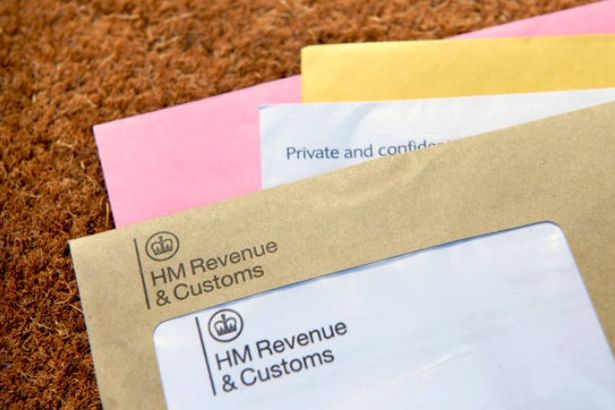
HM Revenue and Customs has reminded individuals earning more than £1,000 annually from secondary income sources outside their primary employment that they are legally required to notify the tax authority and file a Self Assessment return. The obligation applies to the current tax year and covers a broad range of activities, including renting out property, creating online content, and selling goods — whether through digital platforms or otherwise.
The £1,000 figure represents the trading allowance, a tax-free threshold that resets each tax year. Crucially, HMRC applies the threshold to combined secondary income rather than to each activity in isolation. An individual earning £800 from content creation and £500 from selling handmade goods, for instance, has crossed the threshold and must declare the excess, even though neither income stream alone would trigger the obligation.
Registration Deadlines and Filing Timetable
Those who have exceeded the allowance during the 2025–26 tax year — covering income earned between 6 April 2025 and 5 April 2026 — must register for Self Assessment by 5 October 2026. The completed tax return and any tax owed must then be submitted by 31 January 2027. Missing either deadline carries material consequences.
An initial fixed penalty of £100 applies for late submissions, and this is assessed regardless of whether any tax is actually owed. Prolonged non-compliance attracts daily penalties and interest calculated as a percentage of the outstanding liability, meaning the cost of delay compounds over time.
A Simplified Reporting Tool Planned for 2029
HMRC has acknowledged the administrative burden placed on individuals with modest secondary earnings and has announced that a new online reporting tool is under development, expected to be operational by 2029. Once live, the tool will allow those earning between £1,000 and £3,000 from side hustles to notify HMRC directly, without the need to complete a full Self Assessment return. The authority has stated that the relevant guidance page will be updated once the tool is ready.
Until that point, the existing Self Assessment framework remains the only compliant route for disclosure. HMRC advises anyone uncertain about their obligations to consult the guidance available on GOV.UK or through the HMRC app. The authority has also indicated that it will consider reasonable excuses for missed deadlines, provided these are communicated before 31 January of the relevant filing year.