Britain’s broadcasting regulator Ofcom has made what it describes as “urgent contact” with TikTok following a deeply disturbing livestream in which celebrity blogger Perez Hilton appeared to self-harm on camera, raising immediate and pointed questions about the platform’s capacity — and willingness — to enforce its own safety obligations.
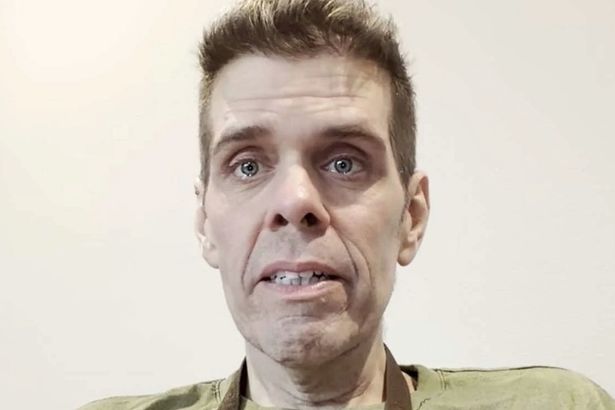
Clips from the TikTok broadcast showed Hilton, the 48-year-old former Celebrity Big Brother contestant, covered in what appeared to be blood and holding a knife. The footage prompted multiple emergency calls to local police in Miami-Dade, whose officers attended the scene and spoke with family members present at the property. Finding Hilton alone inside, deputies from the Miami-Dade Sheriff’s Office elected to “tactically disengage” while assessing the situation — a measured response consistent with established crisis intervention doctrine.
The Miami-Dade Sheriff’s Office explained its approach in terms that reflect considered professional judgement rather than inaction. “In many incidents involving a person experiencing a mental health crisis or actively harming themselves,” a spokesperson said, “deputies prioritise de-escalation by creating time, distance, and opportunities for communication. Unless there is an immediate threat to others, slowing the situation and utilising crisis intervention techniques can reduce the likelihood of a suicide-by-cop encounter and minimise the risk of injury to the individual, deputies, and the public.” Hilton was subsequently recovered safely and transported by Miami-Dade Fire Rescue to a local hospital, where he received medical attention. Officers from the Crisis Response Unit and licensed mental health professionals remained on scene to support his family.
TikTok has since removed the video and suspended Hilton’s account, steps that, while necessary, arrived only after the content had already circulated widely. It is precisely this sequencing — harm first, removal second — that Ofcom is now scrutinising. A spokesperson for the regulator stated plainly: “We are aware of serious concerns raised about self-harm content on TikTok. We have made urgent contact with TikTok to understand the steps it has taken to comply with its legal duties to protect users, including children.” That framing is significant. Ofcom is not merely expressing concern; it is demanding a formal account of compliance with statutory obligations under the Online Safety Act.
This intervention does not arise in isolation. Earlier this year, Ofcom had already launched a formal investigation into whether TikTok is meeting its duties to shield children from harmful content on the platform. The Hilton incident, broadcast live to an audience with no age verification barrier, sharpens the urgency of that inquiry considerably. The regulatory question is not whether TikTok eventually removed the content — it did — but whether its systems are structurally capable of preventing such material from reaching vulnerable users in the first instance, or at the very least interrupting a live broadcast before it compounds into a public health event.
Hilton’s spokesperson issued a statement to TMZ confirming that his representatives had been unable to reach him directly despite sustained efforts. “Our primary concern is Perez’s health and well-being, as well as his family’s well-being,” the statement read. “Until we have confirmed information, we will not speculate or comment further. We appreciate everyone’s concern and ask that his privacy be respected during this time.” The personal dimension of the episode is, of course, serious and deserving of compassion. Yet it cannot be allowed to obscure the institutional failure it has exposed: a major social media platform permitted a self-harm incident to stream live, in real time, to an unfiltered global audience, and its response was reactive rather than preventive.
For Ofcom, the episode is a test case that will define the credibility of the United Kingdom’s online safety regulatory framework at a critical juncture. The regulator now has both the legal tools and a highly visible pretext to demand concrete answers from one of the world’s largest content platforms. Whether TikTok’s response proves substantive or merely procedural will reveal a great deal about how seriously the industry intends to take its obligations — and how forcefully Britain’s regulators are prepared to act when those obligations are not met.