
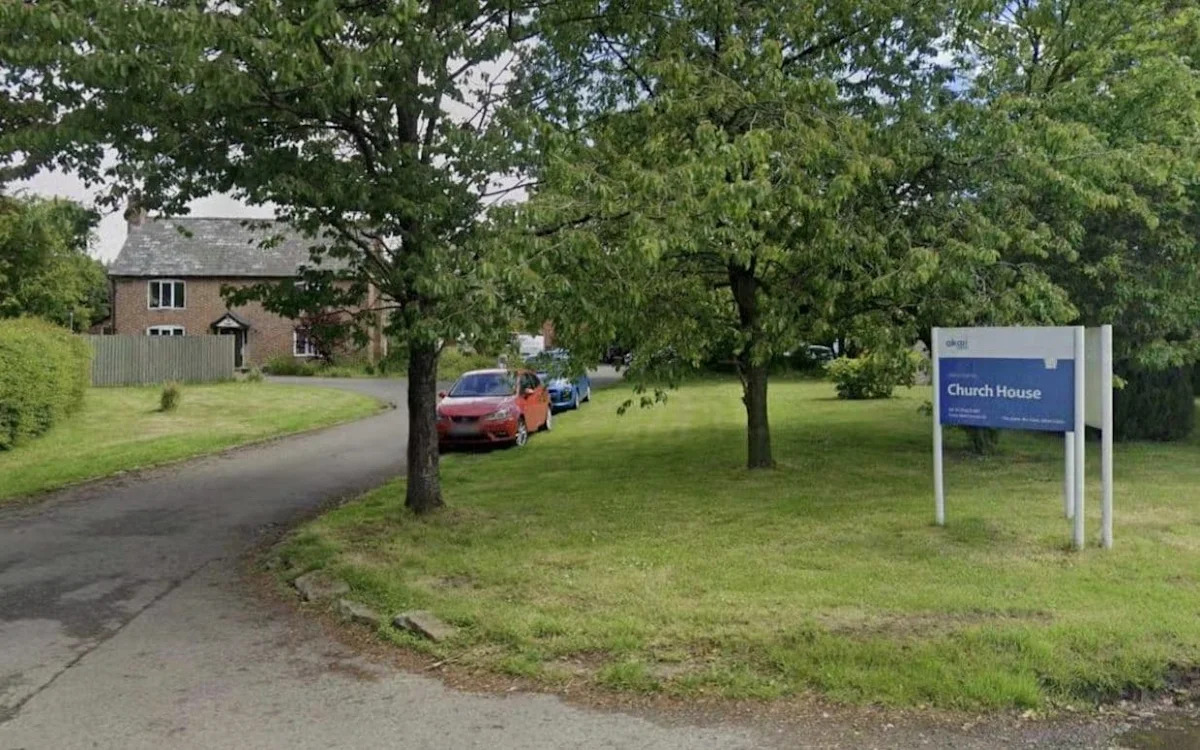
A registered nurse has been handed a 12-month suspension by a Nursing and Midwifery Council panel after it found she attended a care home shift in a state of severe intoxication, placing vulnerable residents at material risk of harm. The case raises pointed questions about professional standards and the adequacy of safeguarding mechanisms in residential care settings.
The Incident
Karen Jane Makinson, 59, was working as the nurse in charge — and the sole registered nurse on duty — at Church House Nursing Home in Nantwich, Cheshire, when colleagues observed her visibly impaired during a June 2024 shift. The 44-bed facility provides specialist care for residents with dementia, a cohort whose vulnerability makes clinical oversight particularly critical. Witnesses described Ms Makinson swaying as she walked through the home, laughing inappropriately, and struggling to descend a staircase without difficulty.
The situation deteriorated to the point where the care home manager, Robert Hammond, felt compelled to confiscate her car keys to prevent her from driving. A senior carer had to assist her in booking a taxi home because, as Hammond told the tribunal, she “simply could not co-ordinate to move her fingers on her phone” to operate the application herself. Ms Makinson was dismissed ten days after the incident.
An Implausible Defence
Ms Makinson denied the allegations and offered what the panel ultimately characterised as an implausible account. During a probationary interview, she acknowledged consuming two glasses of wine at lunchtime — approximately eight hours before her shift — but attributed her unsteady gait to the distraction of reading a text message while walking. Her inability to use her phone to book a taxi, she suggested, stemmed from unfamiliarity with a recently downloaded application rather than impaired motor function. The panel, having weighed this explanation against the consistent testimony of multiple colleagues, rejected it in full and accepted the witnesses’ account.
The Panel’s Findings
The written judgment was unambiguous in its assessment. The panel concluded that Ms Makinson was extremely intoxicated, with her co-ordination, judgement, and behaviour all materially compromised as a result. It characterised her conduct as falling “far below the standards expected of a registered nurse”, noting with particular gravity that she was the only clinically qualified person on duty at the time. The panel reasoned that a nurse in such a condition would be unlikely to recognise a deteriorating patient or respond appropriately in an emergency — a failure of duty that, in a dementia care environment, carries acute consequences.
Fitness to practise was found to be impaired, and a 12-month suspension was imposed. The case serves as a reminder that professional registration carries enforceable obligations, and that regulatory bodies retain both the authority and the willingness to act when those obligations are plainly breached. Whether the existing framework for monitoring fitness during shifts — rather than after the fact — merits further scrutiny is a question the sector would do well to consider seriously.